



What's Happening?
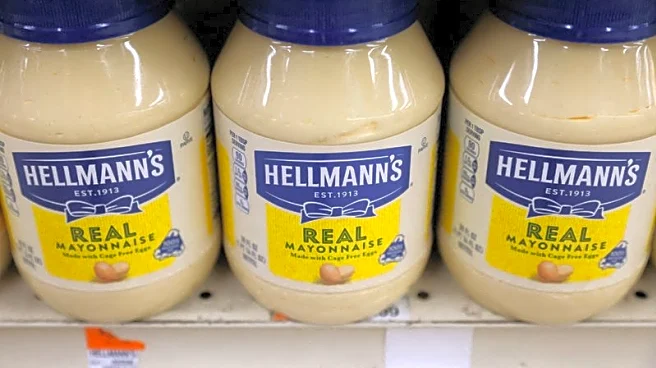
Unilever is reportedly in advanced discussions to merge its food business with McCormick, a US-based condiment giant. The proposed deal, valued at approximately $60 billion including debt, would involve a cash-and-stock transaction. Unilever is expected
to hold a 65% stake in the new entity, which will combine brands like Knorr and Pot Noodle with McCormick's condiments and spices, including French's mustard and Old Bay seasoning. The merger is structured as a Reverse Morris Trust, making it tax-free for US federal income tax purposes for Unilever and its shareholders. This strategic move aligns with Unilever's focus on beauty, personal care, and home products, following its divestment from various food-related brands over recent years.
Why It's Important?
The merger between Unilever and McCormick represents a significant shift in the food industry landscape, potentially creating a major player in the global food market. For Unilever, this move is part of a broader strategy to pivot away from food products and concentrate on beauty and personal care sectors. The deal could enhance McCormick's market position by expanding its product offerings and global reach. Additionally, the tax-free nature of the transaction could provide financial benefits to Unilever and its shareholders. The merger may also influence competitive dynamics, challenging other food industry giants like Kraft Heinz and Nestlé.
What's Next?
If the merger proceeds, Unilever will likely focus on integrating the operations of the combined entity, optimizing synergies, and expanding market presence. McCormick is scheduled to report its latest quarterly results, which may provide further insights into the financial implications of the merger. Stakeholders, including investors and industry analysts, will closely monitor the developments and potential impacts on stock prices and market competition. The merger could also prompt strategic responses from competitors aiming to strengthen their positions in the food industry.