


What's Happening?
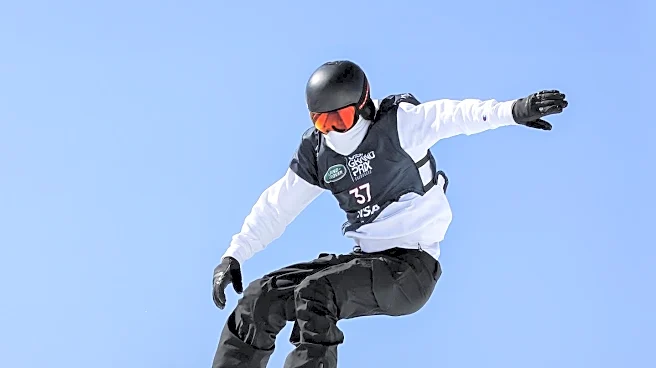
Chloe Kim, a three-time Olympic medalist in snowboarding, has disabled direct messages on her Instagram account following the receipt of 'very disturbing images.' Kim, who recently competed in the Milano Cortina 2026 Winter Olympics, shared on her Instagram story
that she had to take this step to protect herself from fake and disturbing content. Among the images circulating was a fabricated photo suggesting an engagement between Kim and her boyfriend, NFL player Myles Garrett. Kim addressed the issue on 'Jimmy Kimmel Live,' clarifying that the image was not real and pointing out obvious signs of its fabrication, such as Garrett wearing sunglasses in the supposed proposal. Despite these challenges, Kim expressed gratitude for her achievements and participation in the Olympics, where she secured a silver medal in the halfpipe event.
Why It's Important?
The incident highlights the growing issue of digital harassment and the spread of misinformation through social media platforms. For public figures like Chloe Kim, the ability to connect with fans is often overshadowed by the need to protect personal safety and privacy. This situation underscores the challenges faced by athletes and celebrities in managing their public personas while safeguarding against the misuse of their images and personal information. The use of AI-generated content to create fake images further complicates the landscape, raising concerns about the ethical implications and the need for better digital literacy among the public. The incident also reflects broader societal issues regarding online behavior and the responsibilities of social media platforms in moderating content.
What's Next?
Chloe Kim's decision to disable her Instagram DMs may prompt other public figures to reconsider their social media engagement strategies. It could also lead to increased calls for social media platforms to implement more robust measures to prevent the spread of fake content and protect users from harassment. As the conversation around digital safety continues, there may be further developments in policies and technologies aimed at addressing these challenges. Stakeholders, including athletes, celebrities, and social media companies, may engage in discussions to find effective solutions to balance public interaction with personal security.