



What's Happening?
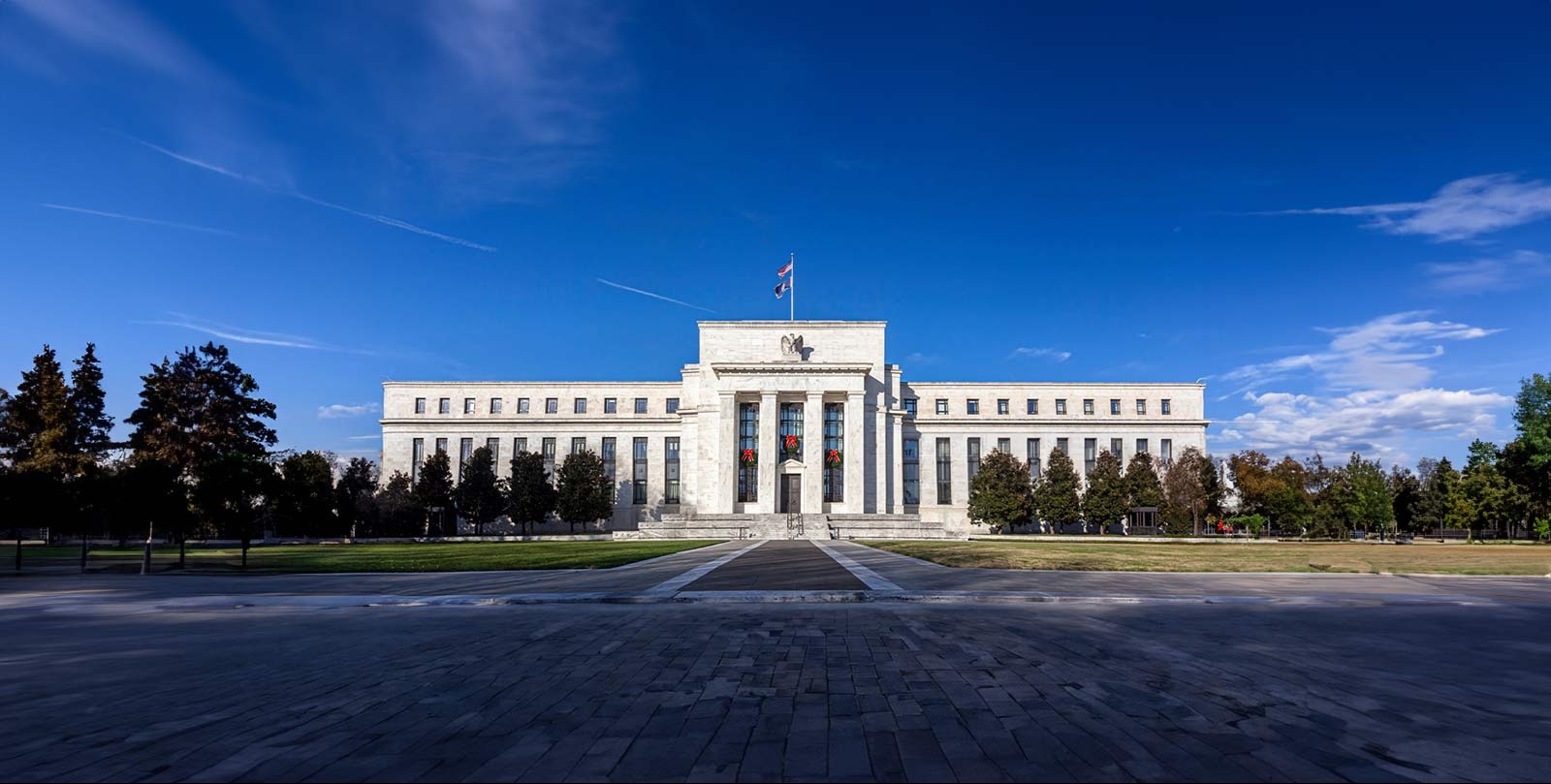
Agricultural banks in the U.S. are experiencing tighter liquidity and improved earnings as farm loan demand continues to grow. According to the Federal Reserve Bank of Kansas City, the average loan-to-deposit ratio at these banks has reached its highest level since 2019. This increase is particularly notable among lenders with a high concentration of farm loans. Despite a slight rise in farm loan delinquency rates, they remain relatively low. The U.S. farm economy is facing challenges, especially in the crop sector, but the cattle sector shows strength. Government assistance, such as the American Relief Act, has helped ease financial stress in the sector. The Farmer Bridge Assistance Program is expected to provide further relief to crop farmers.
Why It's Important?
The tightening liquidity at agricultural banks highlights the ongoing financial pressures within the U.S. agricultural sector. As farm loan demand grows, banks are seeing increased earnings, which could stabilize the sector. However, the disparity between the crop and cattle sectors indicates uneven financial health across agriculture. Government interventions play a crucial role in supporting farm incomes, but the sustainability of such support is uncertain. The financial health of agricultural banks is vital for rural economies, as they provide essential credit to farmers. The situation underscores the need for strategic financial management and policy support to ensure the resilience of the agricultural sector.
What's Next?
Looking ahead, the agricultural sector may continue to face challenges, particularly in the crop sector, where profit opportunities remain narrow. The Farmer Bridge Assistance Program is expected to offer some relief, but long-term solutions are needed to address the underlying financial issues. Stakeholders, including policymakers and financial institutions, will need to monitor the situation closely and consider additional measures to support the sector. The performance of agricultural banks will be a key indicator of the sector's health and may influence future policy decisions.