






What's Happening?
FIFA has announced the selection of 16 stadiums across the United States, Canada, and Mexico to host matches for the 2026 World Cup. This tournament will be the first to be held across three countries, with venues including Arrowhead Stadium in Kansas
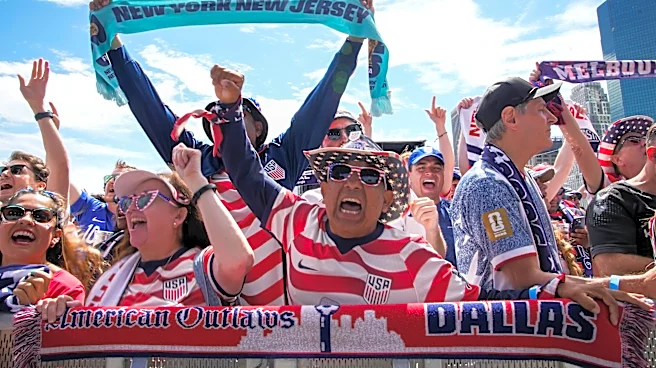
City, AT&T Stadium in Arlington, and MetLife Stadium in New Jersey, among others. Each stadium has been temporarily renamed by FIFA for the duration of the tournament, as the companies holding naming rights are not FIFA sponsors. The event will feature a variety of matches, including group stages and finals, with some stadiums hosting up to eight games. The tournament is set to bring significant attention and economic activity to the host cities.
Why It's Important?
The 2026 World Cup is expected to have a substantial economic impact on the host cities, with increased tourism and global media attention. The event will likely boost local economies through hotel bookings, restaurant visits, and other tourism-related activities. Additionally, the infrastructure improvements and transportation arrangements, such as shuttle services and rail connections, will benefit residents and visitors alike. The tournament also represents a significant opportunity for the U.S. to showcase its capability to host large-scale international events, potentially influencing future bids for global sporting events.
What's Next?
As the tournament approaches, host cities will continue to prepare by enhancing infrastructure and finalizing logistics to accommodate the influx of visitors. Local governments and businesses are expected to collaborate closely to ensure a smooth experience for attendees. FIFA will also continue to coordinate with local authorities to address any logistical challenges and ensure the venues meet international standards. The event will likely prompt discussions on the long-term use of the upgraded facilities post-tournament.