




What's Happening?
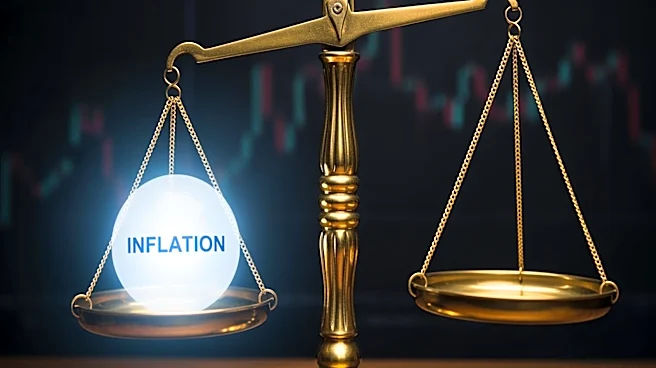
The Federal Reserve's preferred inflation measure, the Personal Consumption Expenditures (PCE) Index, rose to 3.8% in April, marking the highest level in three years. This increase has heightened concerns among Fed officials about persistent inflationary
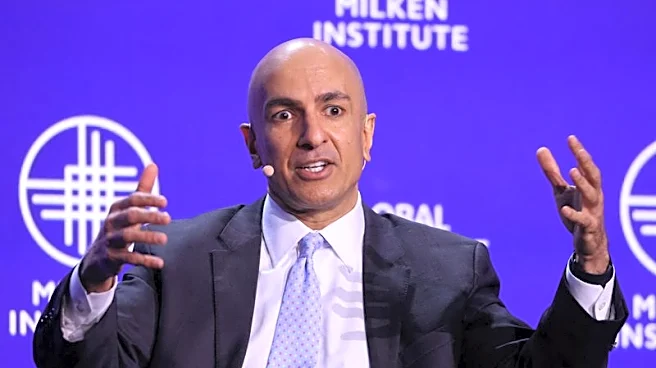
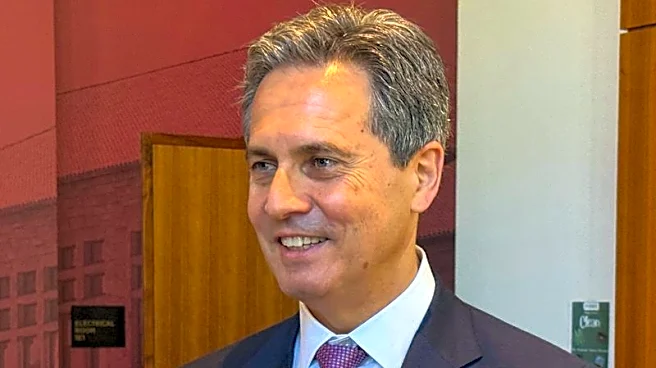
pressures. Fed Vice Chair Philip Jefferson and other members, including Fed Governor Lisa Cook, have expressed readiness to consider rate hikes if inflation does not subside. The rise in inflation is attributed to higher energy prices and ongoing tariff impacts. Despite these concerns, the Fed is currently maintaining steady interest rates, with a cautious approach to future policy adjustments.
Why It's Important?
The rise in the PCE Index underscores the challenges the Federal Reserve faces in managing inflation while supporting economic growth. Persistent inflation can erode purchasing power and impact consumer spending, a key driver of the U.S. economy. The Fed's response to inflation will have significant implications for financial markets, interest rates, and economic stability. Businesses and consumers are closely watching the Fed's actions, as changes in monetary policy can affect borrowing costs, investment decisions, and overall economic confidence.
What's Next?
The Federal Reserve will continue to monitor inflation data and economic indicators to determine the appropriate course of action. The potential for interest rate hikes remains on the table if inflationary pressures persist. Fed officials will need to balance the risks of inflation with the need to support economic recovery. The upcoming policy meetings will be critical in shaping the Fed's strategy, with potential adjustments to interest rates and communication to the public about future policy directions.