



What's Happening?
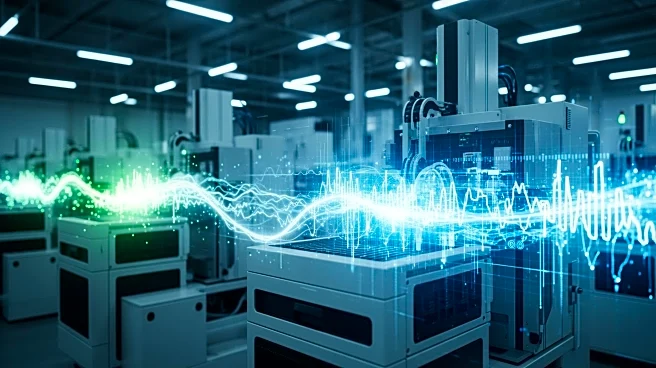
Research led by Bin Li introduces a new data-driven model that integrates Bill of Materials (BOM) and Extended BOM (ECBOM) for comprehensive energy analysis in manufacturing. The study employs a digital twin-based framework to assess energy consumption across the manufacturing lifecycle. By constructing a five-dimensional model, the research provides mechanisms for quantifying energy use, improving the accuracy of energy efficiency evaluations. The model uses BOM and ECBOM as data links to support real-time energy consumption analysis, enabling manufacturers to identify high-energy consumption processes and optimize them. This approach offers a unified method for assessing energy use in both physical and virtual environments.
Why It's Important?
The introduction
of this new model represents a significant advancement in the field of energy efficiency assessment for manufacturing. By leveraging digital twin technology, the model provides a more accurate and comprehensive analysis of energy consumption, which is crucial for optimizing manufacturing processes and reducing environmental impact. This development is particularly important as industries face increasing pressure to adopt sustainable practices and reduce carbon emissions. The model's ability to identify high-energy consumption processes allows manufacturers to target specific areas for improvement, leading to cost savings and enhanced sustainability. Additionally, the research contributes to the broader goal of integrating digital technologies into manufacturing, supporting the transition to Industry 4.0.
What's Next?
The adoption of this new model could lead to widespread changes in how manufacturers approach energy management. As more companies implement digital twin technology, there may be increased collaboration between industry and academia to further refine and expand the model's capabilities. Policymakers could also play a role by encouraging the adoption of such technologies through incentives and regulatory frameworks. The success of this model may inspire further research into other applications of digital twin technology, potentially leading to innovations in areas such as supply chain management and product lifecycle analysis.