





What's Happening?
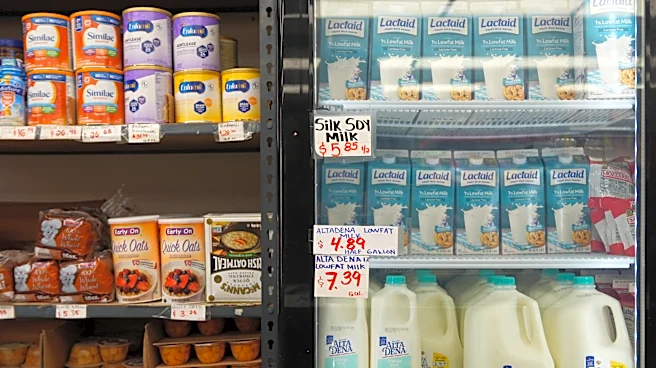
The Bureau of Labor Statistics reported a 3.3% increase in the consumer price index for March 2026, driven by a 10.9% surge in energy costs due to the Iran conflict. This marks the highest annual inflation rate since April 2024. Gasoline prices soared
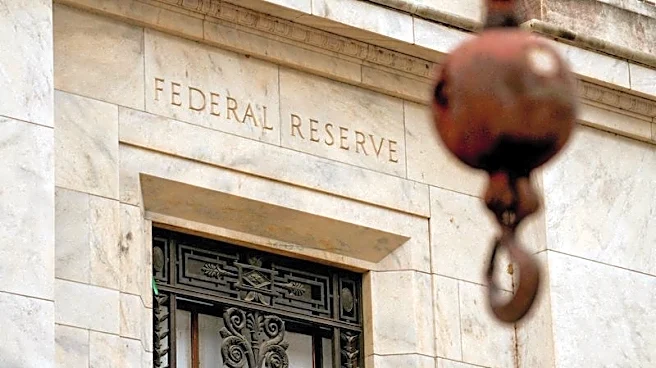
by 21.2%, accounting for the majority of the headline price increase. Despite the spike, core prices excluding food and energy rose modestly by 0.2% for the month. The Federal Reserve, which has been monitoring inflation closely, faces challenges as the inflation rate remains above its target for five years. Energy prices have moderated in April following a cease-fire between the U.S. and Iran.
Why It's Important?
The rise in energy costs has significant implications for the U.S. economy, affecting consumer spending and the Federal Reserve's monetary policy. The central bank may need to reconsider its interest rate strategy, as the inflation trajectory has shifted due to the conflict. The impact of higher energy prices is expected to be temporary, allowing the Fed to focus on underlying inflation trends. However, the situation remains uncertain, with potential effects on services prices and consumer confidence. The Fed's ability to be patient and assess the situation is crucial for maintaining economic stability.
What's Next?
The Federal Reserve is likely to maintain its current interest rate policy, with a potential tilt towards a quarter percentage point reduction. Policymakers will continue to monitor inflation trends and adjust their strategies accordingly. The impact of the Iran conflict on energy prices may be temporary, allowing the Fed to focus on underlying inflation trends. Traders and investors are closely watching the situation, with stock market futures showing little initial reaction to the report.