





What's Happening?
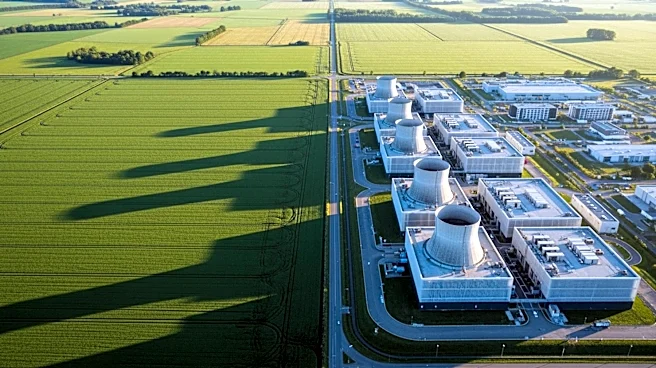
The expansion of data centers across the United States is creating significant economic opportunities while also posing challenges to agricultural land use. As cloud computing and digital services grow, the demand for data centers, which house computers
and servers for data storage and processing, is increasing. These facilities are often located in rural areas due to the availability of land, energy access, and proximity to transmission infrastructure. The construction of data centers involves substantial investment, with costs ranging from $9 million to $15 million per megawatt, and larger campuses can cost tens of billions of dollars. While these projects bring jobs, tax revenue, and infrastructure improvements to rural communities, they also create resource pressures, particularly concerning land, water, and energy. The conversion of farmland for data center use is generally permanent, making site selection and land-use policy critical for maintaining long-term agricultural viability.
Why It's Important?
The growth of data centers is a double-edged sword for rural communities. On one hand, they offer economic benefits such as job creation and increased tax revenue, which can lead to improved local infrastructure. On the other hand, the permanent conversion of farmland to data center sites can threaten the agricultural sector, which is vital for food production and rural economies. Balancing these interests requires careful policy planning and local engagement to ensure that the benefits of data center development do not come at the expense of agricultural sustainability. The decisions made today regarding land use and resource allocation will have long-lasting impacts on both the technology and agricultural sectors.