



What's Happening?
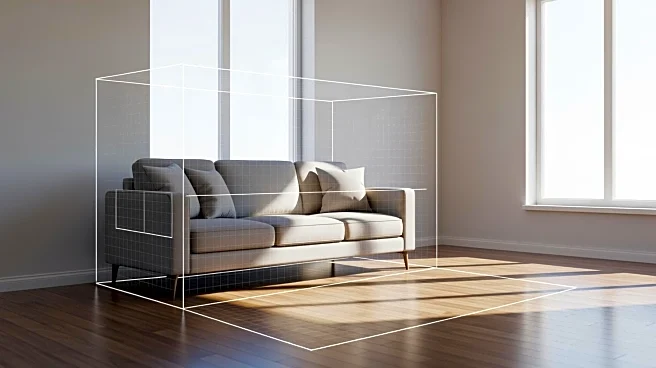
The Staging Collective, a network of over 45 leading home staging companies in North America, is addressing the challenges posed by virtual staging in the real estate market. According to Anne Furlow, a founder of The Staging Collective and owner of Step by Stage Interiors in Central Florida, homes that are virtually staged often take longer to sell compared to those that are traditionally staged. Furlow shared an example where a home, initially staged virtually, failed to sell until her company provided traditional staging, leading to a successful sale after the first open house. The Collective emphasizes the value of real staging over virtual methods, despite the growing investment in virtual and AI design tools by companies like Zillow. Melinda
Christman, another founder and partner at Olive + Opal Interiors in St. Louis, Missouri, noted that while AI is beneficial for reducing busywork, traditional staging remains crucial for effective home sales.
Why It's Important?
The insights from The Staging Collective underscore a significant trend in the real estate industry, where traditional staging is proving more effective than virtual alternatives. This has implications for real estate agents and sellers who may rely on virtual staging to save costs. The preference for traditional staging suggests that buyers respond better to tangible, well-curated spaces, which can lead to quicker sales and potentially higher offers. As virtual and AI tools continue to evolve, the real estate industry must balance technological advancements with proven traditional methods to optimize sales strategies. The success of traditional staging also highlights the importance of human expertise and creativity in an increasingly digital market.
What's Next?
As the real estate market continues to integrate technology, companies like The Staging Collective are likely to further refine their strategies to combine the best of both traditional and virtual staging methods. This could involve using AI to enhance certain aspects of staging while maintaining the core elements of traditional design that appeal to buyers. Real estate professionals may also need to educate clients on the benefits of traditional staging to ensure informed decisions. The ongoing dialogue within The Staging Collective about responsible AI use suggests a future where technology supports rather than replaces human expertise in home staging.
Beyond the Headlines
The debate between virtual and traditional staging raises broader questions about the role of technology in creative industries. While AI and virtual tools offer efficiency and cost savings, they may lack the nuanced understanding and personal touch that human professionals provide. This situation reflects a larger cultural conversation about the balance between technology and human creativity, particularly in fields where aesthetics and emotional appeal are critical. The real estate industry may serve as a case study for other sectors grappling with similar challenges.