



What's Happening?
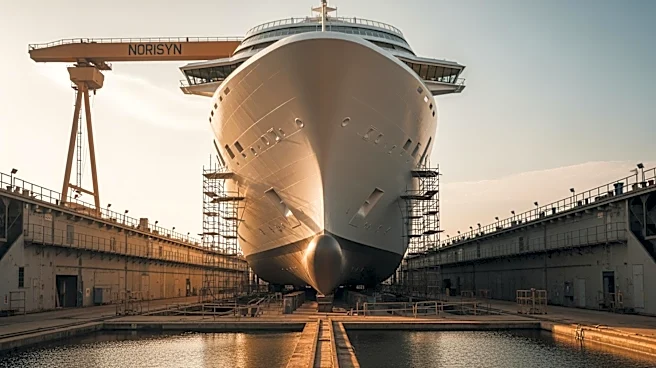
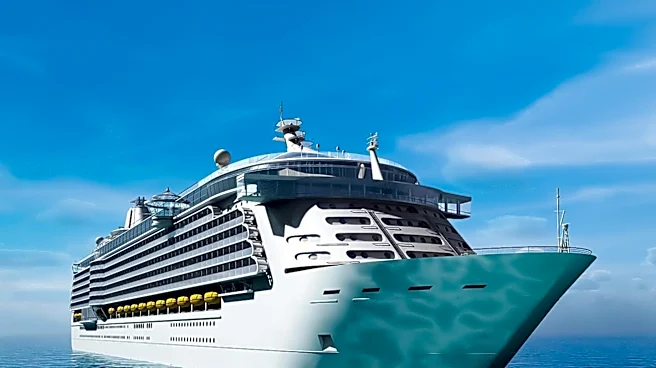
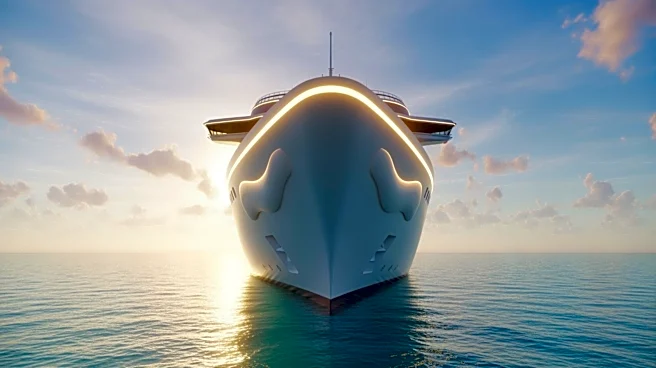
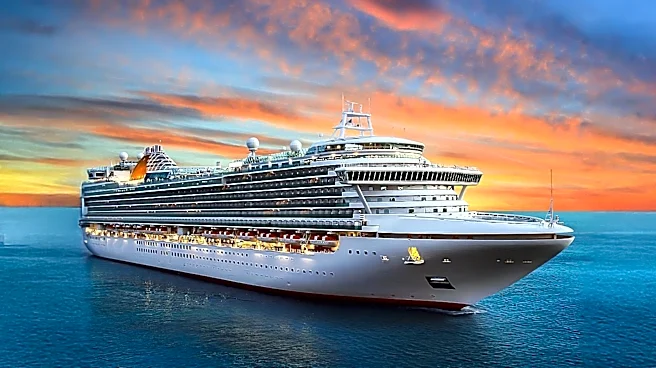
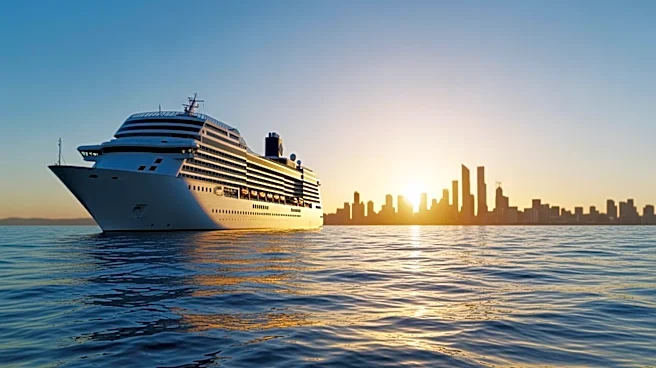
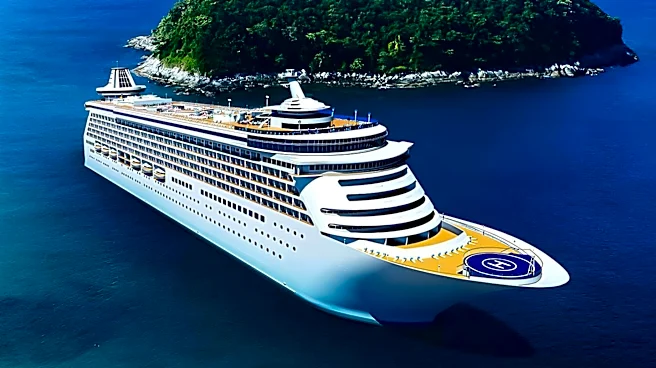
The cruise industry offers a variety of experiences depending on the type of waterway chosen by travelers. Ocean cruises provide a wide range of ship sizes and destinations, from small ships carrying around 100 people to mega-ships with up to 8,000 guests.
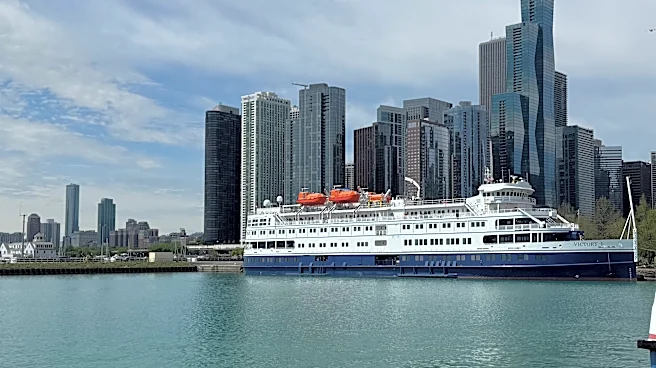
These cruises visit popular destinations like the Caribbean and Mediterranean, as well as less-visited locales such as Antarctica. River cruises, on the other hand, feature smaller, boutique-style vessels that often dock in the heart of cities, offering a more intimate experience. Great Lakes cruises utilize smaller ships for port-intensive itineraries similar to river cruising, with itineraries ranging from a week to 15 days. Each type of cruise offers unique experiences, with ocean cruises focusing on onboard amenities and entertainment, while river and Great Lakes cruises emphasize cultural and natural exploration.
Why It's Important?
The diversity in cruise experiences allows the industry to cater to a wide range of traveler preferences, from those seeking luxury and entertainment to those interested in cultural and natural exploration. This variety helps the cruise industry attract a broader audience, potentially increasing its market share and profitability. Additionally, the focus on different types of waterways can lead to economic benefits for the regions visited, as cruises bring tourists who contribute to local economies. The expansion of river and Great Lakes cruises also highlights a growing interest in more sustainable and culturally immersive travel experiences, which could influence future trends in the travel industry.