





What's Happening?
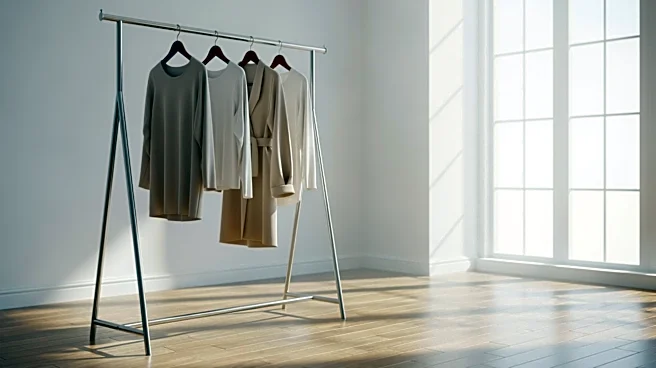
As more Americans use GLP-1 drugs for weight loss, there is a notable increase in apparel sales as these individuals seek to update their wardrobes. According to a survey by Circana, 80% of GLP-1 users anticipate needing new clothing due to size changes,
with 55% having already purchased new items. This trend is expected to boost the total unit volume of clothing sold in the U.S. by 1% to 4% annually, translating to an estimated $13 billion in additional apparel spending. Retailers like Stitch Fix and ThredUp are capitalizing on this shift, with Stitch Fix noting a significant rise in customer requests related to weight loss. ThredUp has also seen increased sales of plus-sized clothing as users sell their old wardrobes.
Why It's Important?
The surge in apparel sales driven by GLP-1 users represents a significant opportunity for the retail industry, particularly as overall apparel sales in the U.S. are projected to grow modestly. This trend could benefit a wide range of retailers, including off-price stores like T.J. Maxx and athletic brands like Lululemon, as consumers seek value and adaptable clothing. The increased demand for new clothing also highlights the broader economic impact of GLP-1 drugs, which are becoming more accessible and affordable. As more people adopt these medications, the retail sector could see sustained growth in apparel sales, providing a much-needed boost amid a challenging economic environment.
What's Next?
As GLP-1 drugs become more widely available, with new pill forms and reduced prices, the number of users is expected to grow significantly. This could lead to continued increases in apparel sales as more individuals undergo size changes. Retailers may need to adapt their inventory and marketing strategies to cater to this emerging customer base. Additionally, the trend could influence fashion industry dynamics, with potential shifts in demand for certain sizes and styles. Companies like Stitch Fix and ThredUp may continue to innovate their offerings to capture market share, while other retailers might explore partnerships or new product lines to meet the evolving needs of GLP-1 users.
Beyond the Headlines
The rise in GLP-1 usage and its impact on the apparel industry also raises questions about sustainability and consumer behavior. As more people buy and sell clothing due to weight changes, the resale market could see significant growth, promoting a more circular economy. However, the increased production and consumption of new apparel items could also exacerbate environmental concerns related to the fashion industry. Retailers and consumers alike may need to consider the long-term implications of these trends and explore sustainable practices to mitigate potential negative impacts.