




What's Happening?
Julian Emanuel, a senior managing director at Evercore ISI, warns that the U.S. economy could enter a recession by July 4, 2026, if oil prices remain elevated. The ongoing Iran war has contributed to high oil prices, which are impacting consumer spending
and economic stability. Emanuel suggests that if crude oil prices stay between $93 and $98 per barrel, the economic effects could become more pronounced by early summer. The national average gas price has already risen significantly, putting pressure on consumers. The potential recession is linked to broader economic concerns, including inflation and market volatility.
Why It's Important?
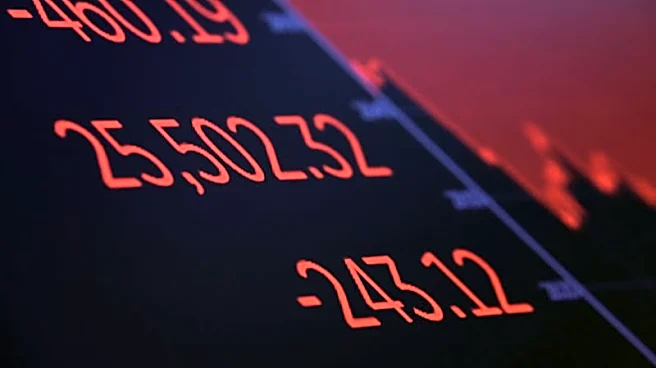
The potential recession poses a significant threat to the U.S. economy, affecting consumers, businesses, and financial markets. High oil prices can lead to increased costs for goods and services, reducing consumer spending and slowing economic growth. The stock market may also experience volatility, with potential declines in major indices. The situation underscores the interconnectedness of global events, such as the Iran war, and their impact on domestic economic conditions. Stakeholders, including policymakers and businesses, must monitor these developments closely to mitigate potential negative outcomes.
What's Next?
As the situation develops, stakeholders will need to assess the impact of oil prices on the economy and consider potential policy responses. Consumers may need to adjust their spending habits in response to rising costs, while businesses may face challenges in managing expenses. The upcoming Memorial Day holiday could serve as a critical test for consumer sentiment and market reactions. Policymakers may need to explore measures to stabilize the economy and support affected industries. The outcome of the Iran war and its impact on oil prices will be a key factor in determining the economic trajectory.