






What's Happening?
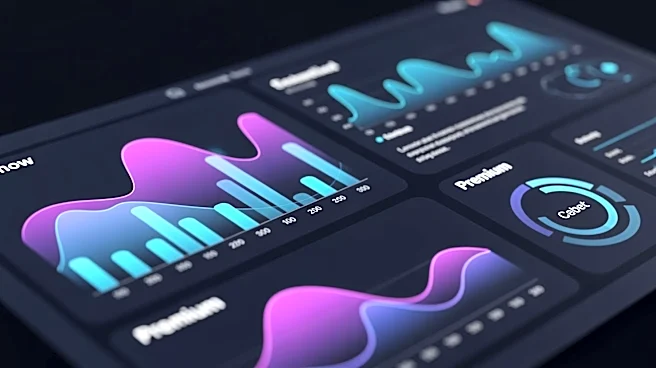
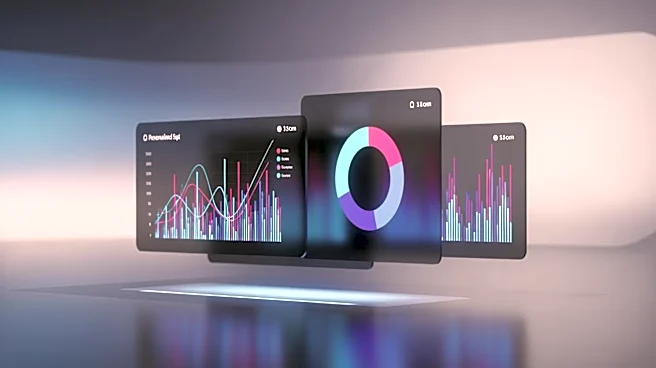
QSIC, a retail media platform, has introduced a real-time attribution dashboard designed to link in-store media channels, such as audio, screens, and signage, to point-of-sale (POS) and loyalty data. This dashboard aims to provide retailers with clear
proof of in-store advertising impact by tracking whether reached shoppers actually transacted and measuring sales lift and return on ad spend (iROAS). The integration of loyalty data allows retailers to assess campaign performance among new-to-brand shoppers. This development addresses the long-standing challenge of proving the effectiveness of in-store advertising, which has historically lacked the tools to demonstrate its value.
Why It's Important?
The launch of QSIC's real-time attribution dashboard represents a significant advancement in the measurement of in-store media effectiveness. By providing retailers with detailed insights into the impact of their advertising efforts, this tool enables more informed decision-making and optimization of marketing strategies. The ability to track new-to-brand shoppers and measure sales lift offers valuable data for assessing campaign success and identifying growth opportunities. This development could lead to increased investment in in-store media, as retailers gain confidence in its ability to drive sales and enhance customer engagement. The success of this initiative may also prompt other companies to explore similar solutions.
What's Next?
As QSIC's attribution dashboard gains traction, further enhancements and integrations are expected. Retailers may seek to expand the use of this tool across additional in-store channels and incorporate more advanced analytics capabilities. The success of this initiative could lead to increased competition in the retail media space, with other companies developing similar solutions to meet the growing demand for in-store advertising measurement. Retailers will need to adapt their marketing strategies to leverage the insights provided by the dashboard, potentially leading to more targeted and effective campaigns. The broader adoption of such tools could transform the retail media landscape, emphasizing the importance of data-driven decision-making.