


What's Happening?
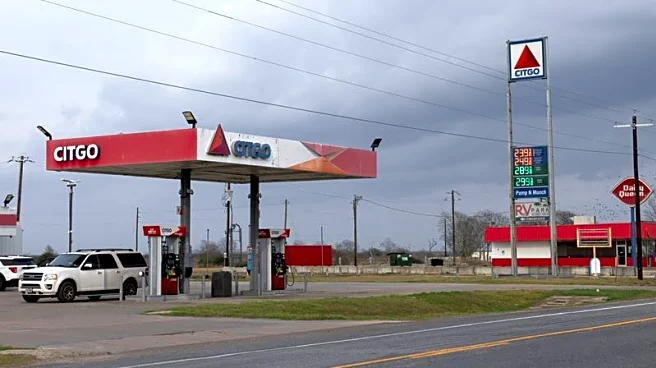
The national average price for diesel gasoline in the United States has increased for the ninth consecutive week, according to the Energy Information Administration (EIA). As of March 2, the average price per gallon rose by 8.8 cents to $3.897. This follows
a series of weekly increases, including a 9.8-cent rise the previous week. The recent price hikes are attributed to geopolitical tensions, particularly the joint military strikes by the United States and Israel on Iran, which have affected global oil prices. The Strait of Hormuz, a critical oil transit chokepoint, has seen disruptions, impacting the flow of oil from major producers like Saudi Arabia and Iran.
Why It's Important?
The continuous rise in diesel prices has significant implications for the U.S. economy, particularly affecting the transportation and logistics sectors. Higher fuel costs can lead to increased operational expenses for trucking companies, which may pass these costs onto consumers through higher prices for goods. The geopolitical tensions contributing to these price increases also highlight the vulnerability of global oil supply chains to regional conflicts. As the U.S. and global economies are still recovering from recent downturns, sustained high fuel prices could hinder economic growth and increase inflationary pressures.
What's Next?
If geopolitical tensions persist, particularly in the Middle East, diesel prices may continue to rise, further straining the transportation sector. Stakeholders, including logistics companies and policymakers, may need to explore alternative strategies to mitigate the impact of rising fuel costs, such as investing in more fuel-efficient technologies or diversifying energy sources. Additionally, any diplomatic resolutions or changes in the geopolitical landscape could influence future price trends.