





What's Happening?
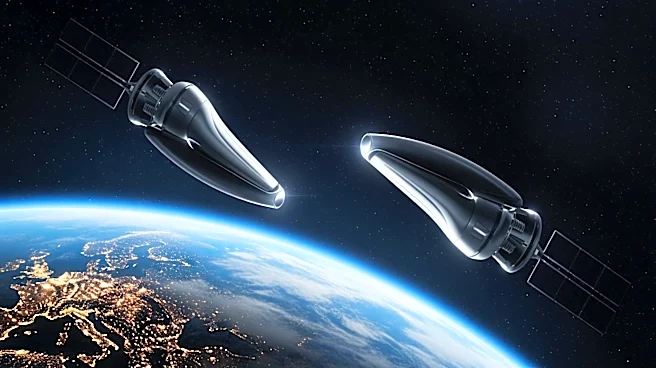
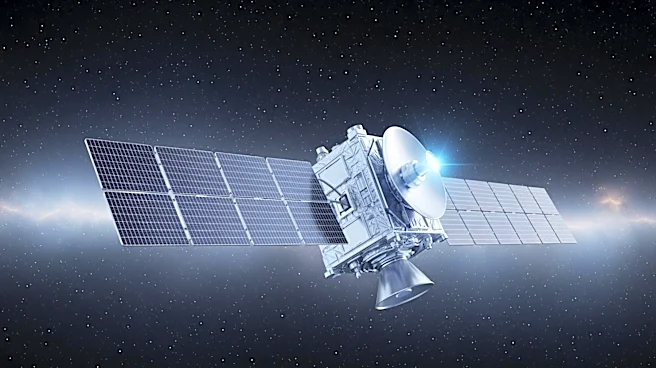
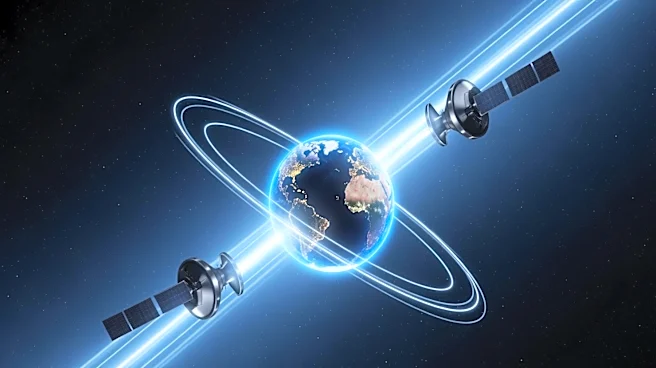
Amazon's Leo satellite network, intended to rival SpaceX's Starlink, is facing delays, as announced by CEO Andy Jassy. Originally expected to launch in late 2025 or early 2026, the service is now projected to begin operations in mid-2026. The Leo network, which
stands for low Earth orbit, aims to provide high-speed and affordable internet service globally. Despite the delay, several companies, including Delta Airlines, JetBlue, AT&T, and NASA, have committed to using the service once available. Amazon is currently under pressure from the Federal Communications Commission (FCC) to deploy approximately 1,600 satellites by July, a deadline the company has requested to extend until 2028. The FCC has yet to respond to this request.
Why It's Important?
The delay in Amazon's Leo satellite network launch is significant as it impacts the competitive landscape in satellite internet services. SpaceX's Starlink, with over 10,000 satellites already in orbit, has established a strong presence in the market. Amazon's entry with Leo is crucial for diversifying options and potentially lowering costs for consumers. The delay could affect Amazon's ability to meet FCC requirements, which could have regulatory implications. Additionally, the delay may influence the strategic decisions of companies that have committed to using Leo, potentially affecting their operational plans and internet service strategies.
What's Next?
Amazon's request for an extension from the FCC is a critical next step. The FCC's decision will determine Amazon's timeline for deploying the required number of satellites. If granted, Amazon will have more time to develop and launch its network, potentially improving its competitive position against SpaceX. The delay may also prompt Amazon to accelerate its technological advancements to ensure Leo's performance meets or exceeds current market standards. Stakeholders, including committed companies, will be closely monitoring these developments to adjust their plans accordingly.