




What's Happening?
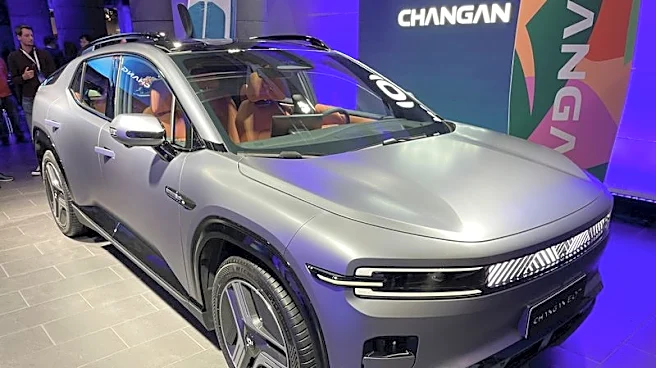
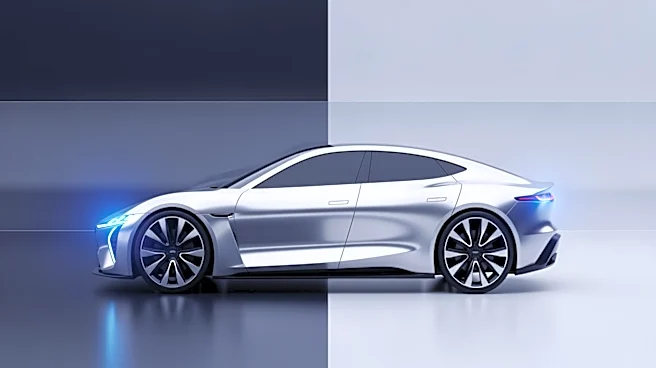
Chinese electric vehicle (EV) brands such as BYD, Xiaomi, and Zeekr are gaining significant traction on U.S. social media platforms, particularly TikTok, despite a 100% tariff that effectively blocks their market entry. A survey by AlixPartners revealed
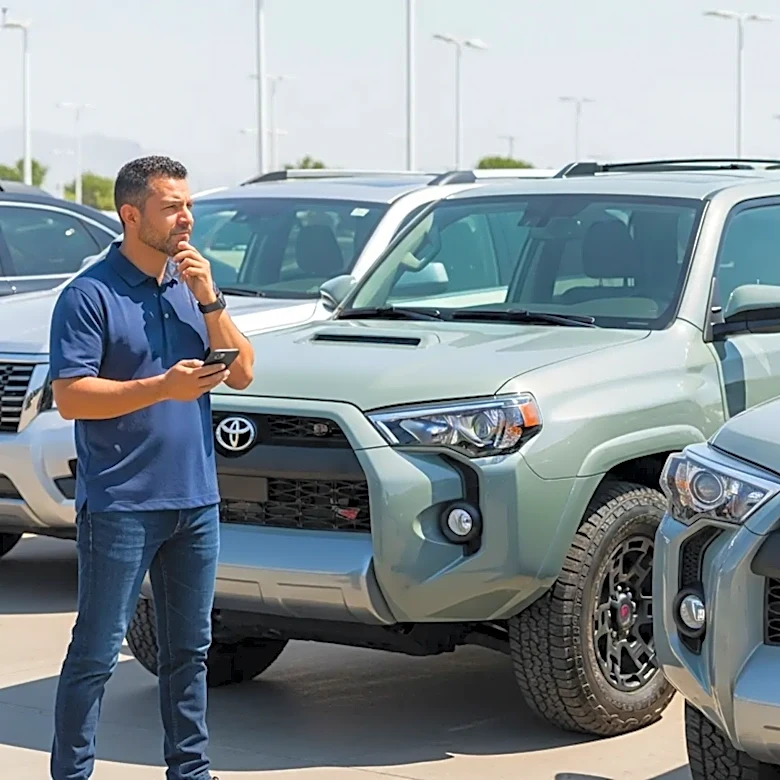
that 58% of potential EV buyers in the U.S. have encountered Chinese EVs on TikTok, and 69% of Gen Z car shoppers are open to considering them. This social media presence is creating a demand that the market cannot currently satisfy due to the tariffs. Meanwhile, Canada has reduced its duties on Chinese EVs, and BYD is planning to expand its dealership network in North America.
Why It's Important?
The growing interest in Chinese EVs in the U.S. highlights the potential for these brands to disrupt the American automotive market, traditionally dominated by domestic manufacturers. The use of social media as a marketing tool allows these brands to build a consumer base without physical market presence, challenging the effectiveness of tariffs as a protective measure. This situation could pressure U.S. automakers to innovate and compete with the advanced technology and lower prices offered by Chinese EVs. Additionally, it raises questions about the future of trade policies and their impact on the automotive industry.
What's Next?
The ongoing interest in Chinese EVs may lead to increased pressure on U.S. policymakers to reconsider the tariffs. Automakers like Ford are already expressing concerns about the competitive threat posed by Chinese brands. Legal challenges to the tariffs, such as BYD's case in the U.S. Court of International Trade, could also influence future trade policies. As Chinese automakers explore potential U.S. market entry strategies, including local production, the landscape of the U.S. automotive market could undergo significant changes.