







What's Happening?
The Global Cold Chain Alliance (GCCA) has released its Global Top 25 list for 2026, showcasing a 6.3% increase in temperature-controlled warehousing and logistics capacity, reaching 7.76 billion cubic feet. This growth, although slower than the previous
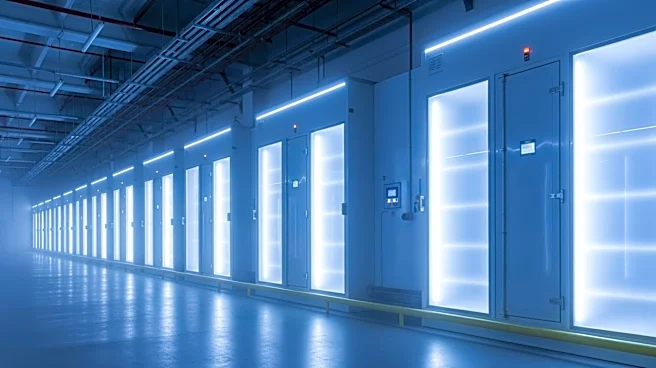
year's 8.3%, reflects the impact of higher interest rates and tighter market conditions, which have led to more selective development activities. Latin America experienced the highest regional growth at 8.6%, primarily driven by mergers and acquisitions. In contrast, North America and Europe saw more cautious investment expansions. The GCCA, representing over 1,500 temperature-controlled facilities worldwide, emphasizes the importance of cold chain services in maintaining the safety of food and other temperature-sensitive goods.
Why It's Important?
The expansion of cold storage capacity is crucial for supporting global supply chains, especially as demand for temperature-sensitive goods continues to rise. This growth is driven by increasing populations, evolving consumer preferences, and the need to navigate complex supply chain disruptions. The GCCA's report highlights the strategic investments in capacity, technology, and workforce skills by third-party cold chain operators, positioning them to meet future demands despite challenging market conditions. This development is significant for industries reliant on cold chain logistics, such as food and pharmaceuticals, ensuring the safe and efficient distribution of products.
What's Next?
As the demand for cold storage continues to grow, the industry may see further consolidation through mergers and acquisitions, particularly in regions like Latin America. Companies are likely to focus on enhancing technological capabilities and workforce training to improve efficiency and meet the increasing demands. Stakeholders, including businesses and policymakers, will need to address the challenges posed by higher interest rates and market conditions to sustain growth. The GCCA and its members will play a pivotal role in shaping the future of the cold chain industry, ensuring it adapts to evolving global needs.
Beyond the Headlines
The growth in cold storage capacity also raises questions about the environmental impact of increased energy consumption associated with temperature-controlled facilities. As the industry expands, there may be a push towards more sustainable practices, such as adopting energy-efficient technologies and renewable energy sources. Additionally, the reliance on cold chain logistics underscores the importance of infrastructure resilience, particularly in the face of climate change and potential disruptions. These factors could drive innovation and policy changes aimed at balancing growth with sustainability.