



What's Happening?
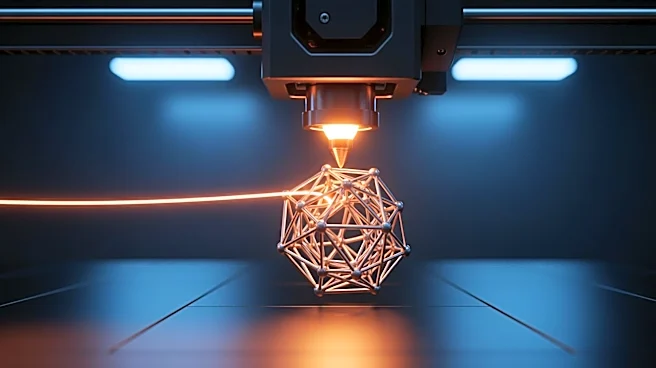
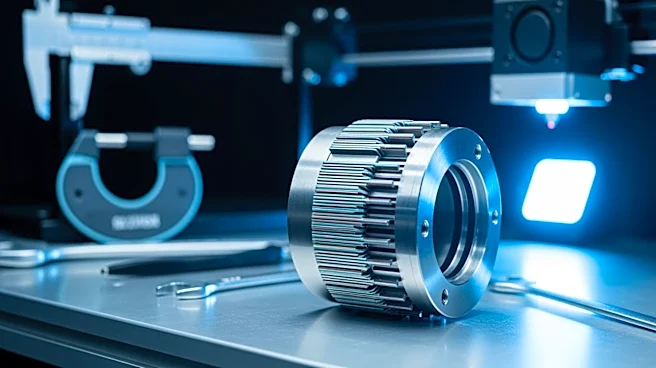
VBN Components, a company based in Uppsala, Sweden, has partnered with an unnamed pump manufacturer to innovate a method that integrates Additive Manufacturing (AM) with cemented carbide into large-scale cast components. This development involves casting
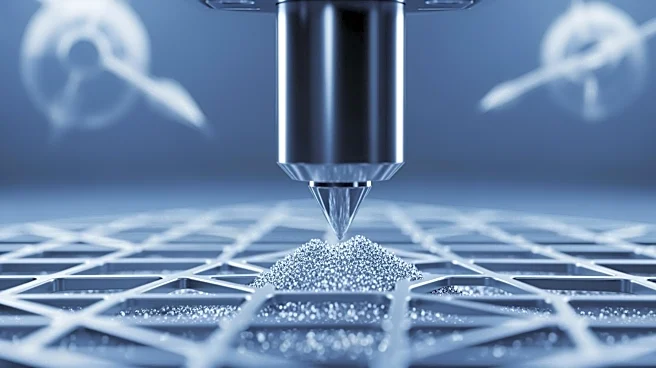
directly onto Vibenite 480, a wear-resistant material, to enhance the durability of slurry pumps and other cast equipment. The process introduces a Vibenite Nucleation Net Zone (VNNZ) during the AM process, which allows high-chromium cast iron to form a metallurgical bond with Vibenite 480. This bond significantly increases the wear resistance of the components, making them approximately ten times more resistant to erosive wear than high-chromium cast iron and about one hundred times more than hardened steel plate. The hybrid approach allows for the strategic placement of AM-produced components in high-wear regions within a casting mold, addressing the size limitations of current metal AM machines.
Why It's Important?
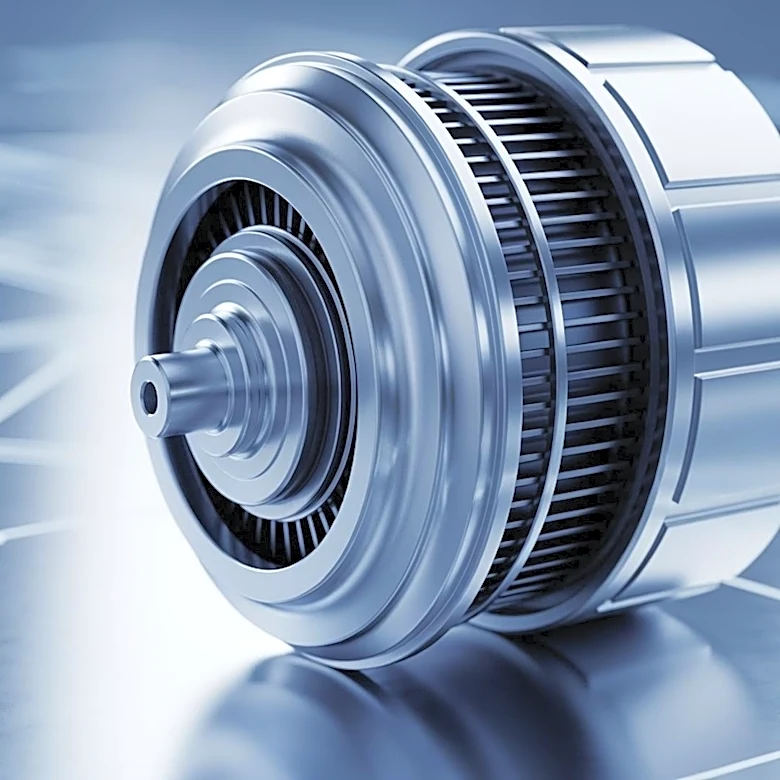
This development is significant as it offers a scalable and cost-efficient method to extend the lifetime of components used in demanding and high-cost applications. By integrating Vibenite 480 only where necessary, the method optimizes material use and enhances component performance. This innovation not only improves the durability of industrial components but also opens up new business opportunities by combining the superior material performance of Vibenite 480 with the design flexibility of Additive Manufacturing. The approach could lead to advancements in various industries that rely on durable and wear-resistant components, potentially reducing maintenance costs and increasing operational efficiency.
What's Next?
Following initial trials, the technology is expected to be validated in full-scale slurry pump housings, focusing on the most critical wear areas. This validation will likely involve further testing and refinement to ensure the technology meets industry standards and performance expectations. The successful implementation of this hybrid AM approach could lead to broader adoption across industries that require high-performance, wear-resistant components. Stakeholders in the manufacturing and industrial sectors may closely monitor these developments to assess the potential benefits and applications of this technology.