



What's Happening?
In recent years, the concept of self-care has evolved from traditional relaxation methods to include deeper, more introspective practices. Spirituality is increasingly being recognized as a vital aspect of self-care, emphasizing inner peace, emotional
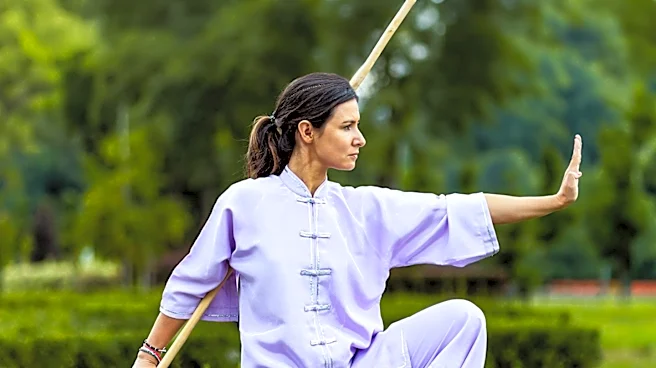
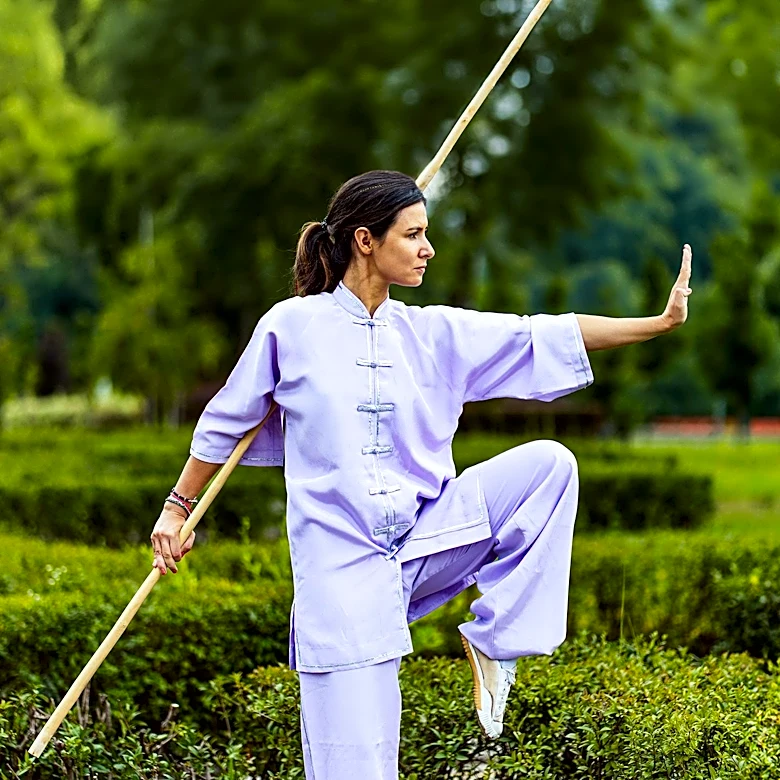
balance, and a sense of purpose. This shift is driven by a growing need for meaningful connections and stability in a world marked by stress and anxiety. Practices such as meditation and yoga, once considered niche, are now mainstream, offering individuals tools to manage stress and enhance well-being. The rise of mindfulness, which encourages living in the present moment, is also contributing to this trend. These practices are accessible and can be personalized, making them appealing to a wide audience, including younger generations who are exploring spirituality in unique ways.
Why It's Important?
The integration of spirituality into self-care reflects a broader societal shift towards holistic well-being. As stress and burnout become more prevalent, individuals are seeking sustainable ways to maintain mental and emotional health. This trend highlights a move away from superficial self-care methods towards practices that foster long-term inner peace. The growing popularity of spirituality in self-care also raises questions about commercialization and the potential dilution of ancient practices. However, it underscores a critical recognition that true well-being involves more than just physical health. Organizations are beginning to incorporate mindfulness and wellness programs, acknowledging the link between productivity and inner well-being. This shift could lead to more balanced and healthier lifestyles, impacting both personal and professional spheres.