




What's Happening?
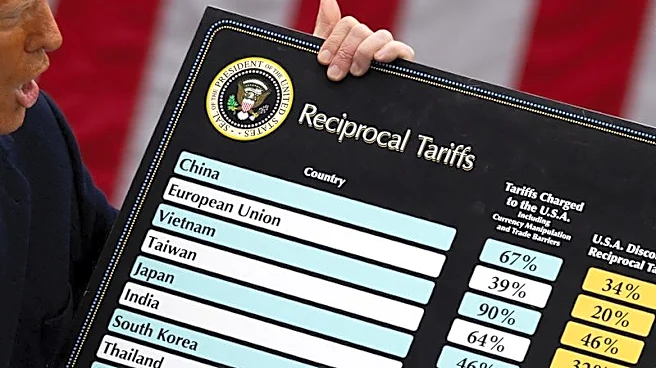
A federal court has ruled against President Trump's 10% tariff, which was imposed to replace tariffs previously struck down by the Supreme Court. Despite this legal setback, consumer prices are not expected to decrease significantly due to ongoing geopolitical
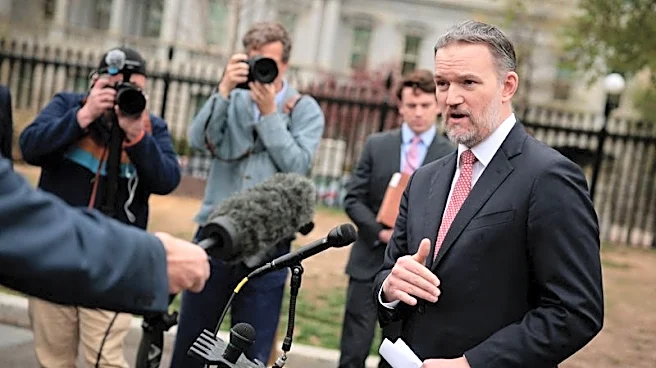
tensions, such as the Iran war, and the administration's pursuit of alternative tariff measures. The Court of International Trade's decision prohibits the collection of these tariffs from Washington state and two companies, but they remain in place for most importers pending an appeal. The administration plans to appeal the ruling, with U.S. Trade Representative Jamieson Greer expressing confidence in their chances.
Why It's Important?
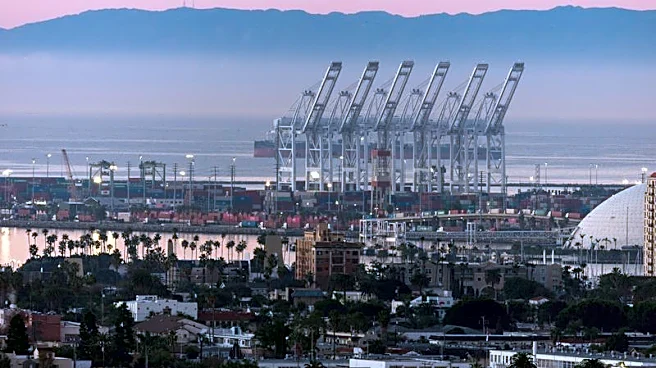
The ruling highlights the complexities of the current trade environment and the challenges in predicting consumer price trends. While the court's decision offers a temporary reprieve for some importers, broader economic factors, including geopolitical conflicts and supply chain disruptions, continue to exert upward pressure on prices. The administration's commitment to maintaining tariffs as a protective measure for the U.S. economy underscores the ongoing trade policy debates. This situation affects various stakeholders, including businesses, consumers, and international trade partners, as they navigate the uncertainties of tariff policies and their economic implications.
What's Next?
The administration's appeal of the court's decision will be closely watched, as it could set precedents for future tariff implementations. Additionally, the administration is exploring other legal avenues, such as Section 301 investigations, to impose tariffs in response to foreign trade practices. These developments will influence the effective tariff rates and potentially impact international trade relations. Businesses and consumers will need to adapt to the evolving trade landscape, which may involve strategic adjustments in sourcing, pricing, and market strategies. The outcome of these legal and policy maneuvers will shape the U.S. economic environment in the coming months.