







What's Happening?
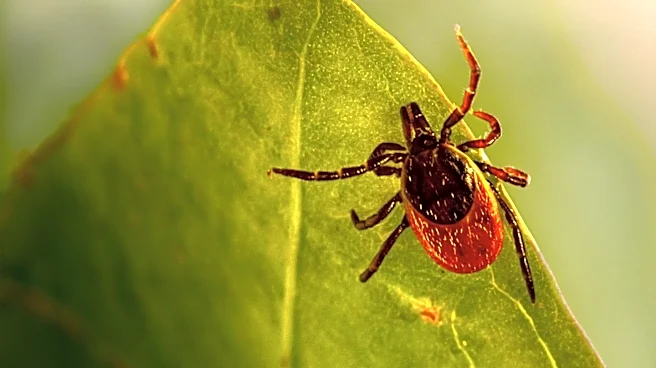
Tick populations are increasing in several U.S. regions, including the Northeast, Upper Midwest, Middle Atlantic, Ohio River Valley, and the South. This surge has led to a rise in emergency room visits due to tick-related illnesses. Factors contributing
to the increase include weather conditions, human behavior, and wildlife movement. Homeowners are advised to take preventive measures to create 'tick-free' zones, such as using tick-preventative medications, removing leaf litter, and maintaining their yards. Experts also recommend using cedar oil spray and planting tick-repellent plants to reduce tick presence.
Why It's Important?
The rise in tick populations poses significant health risks, as ticks can transmit diseases like Lyme disease and ehrlichiosis. The spread of ticks into new areas could lead to more widespread health issues, affecting both humans and animals. Homeowners and communities need to be proactive in managing tick populations to prevent disease transmission. The situation underscores the importance of public awareness and education on tick prevention and control.
What's Next?
As tick populations continue to grow, there may be increased efforts from public health organizations to monitor and manage tick-related health risks. Research into effective tick control methods and public education campaigns could play a crucial role in mitigating the impact of ticks. Homeowners may also see more products and services aimed at reducing tick presence in residential areas.