



What's Happening?
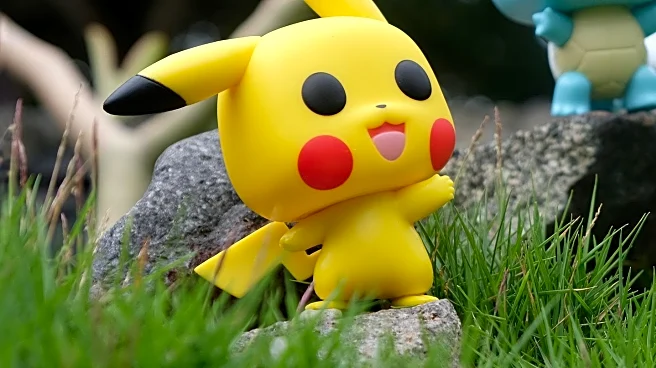
Pokémon, a franchise that began in 1996 with the release of Pokémon Red and Green for the Nintendo Game Boy, continues to captivate fans worldwide. The franchise has expanded into animated shows, mobile games, and trading cards, maintaining a strong fan base
across generations. Benson Lu, a 26-year-old from Los Angeles, exemplifies this enduring appeal, engaging daily with Pokémon Go, watching the animated series, and participating in trading card games. The franchise's success is attributed to its compelling character design and world-building, as noted by Heather Cole, a professor of game design. The trading cards, in particular, have become valuable commodities, with some cards fetching millions of dollars. This has led to a surge in thefts targeting card stores, highlighting the financial allure of these collectibles.
Why It's Important?
The sustained popularity of Pokémon underscores its significant cultural and economic impact. The franchise's ability to engage both young and old fans speaks to its effective character design and storytelling. Economically, Pokémon cards have become a lucrative investment, often appreciating in value over time. This has attracted both collectors and criminals, as evidenced by recent thefts in Southern California. The high value of these cards has also led to a robust secondary market, where specific cards can sell for substantial sums. This phenomenon reflects broader trends in the collectibles market, where nostalgia and rarity drive demand and value.
What's Next?
As Pokémon continues to thrive, the franchise is likely to expand its offerings, potentially introducing new games, shows, and merchandise to keep fans engaged. The trading card market will likely remain competitive, with collectors seeking rare cards and investors viewing them as valuable assets. The ongoing thefts may prompt store owners to enhance security measures to protect their inventory. Additionally, the franchise's enduring appeal may inspire other brands to explore similar strategies in character design and world-building to capture and maintain audience interest.
Beyond the Headlines
The Pokémon phenomenon highlights the intersection of nostalgia and modern gaming culture. It serves as a case study in how franchises can evolve while maintaining core elements that resonate with fans. The rise in card thefts also raises questions about the security and ethics of the collectibles market. As the franchise continues to grow, it may influence other industries to explore similar models of engagement and monetization, particularly in the realm of digital and augmented reality experiences.