





What's Happening?
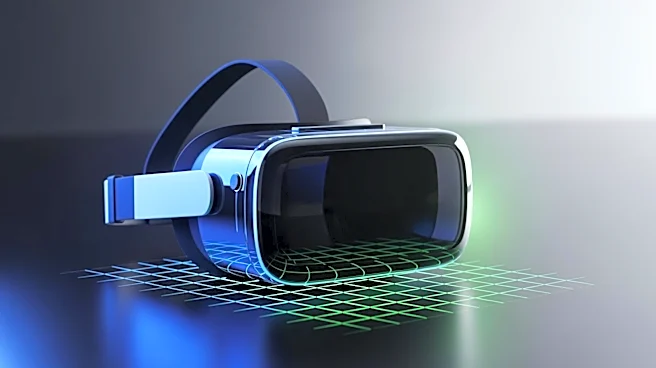
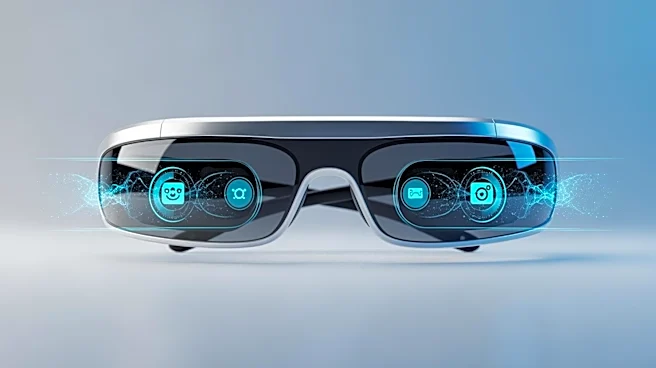
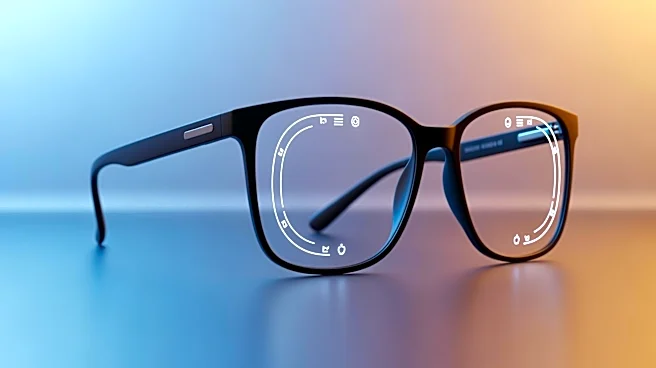
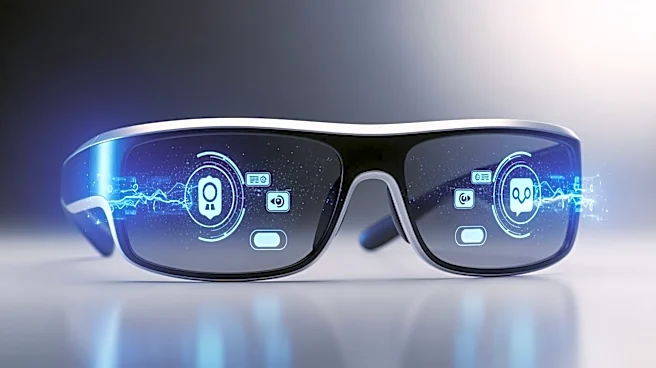
In 2026, augmented reality (AR) glasses are emerging as potential replacements for smartphones, with major tech companies like Meta, Samsung, and Google leading the charge. These companies are developing AR devices that integrate seamlessly with existing
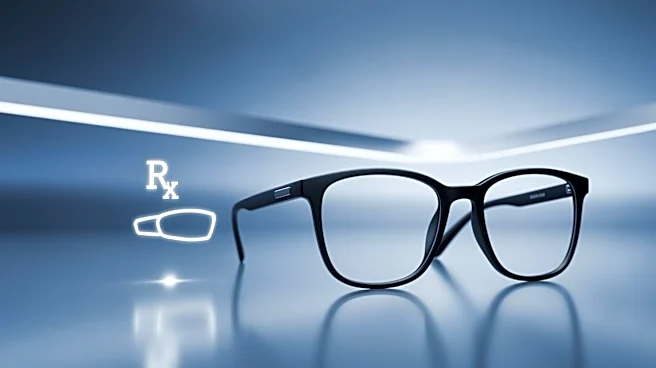
ecosystems, offering features such as prescription-friendly designs and AI overlays. Meta has launched Ray-Ban Meta Optics, while Samsung is working on consumer AR with Galaxy integration. Google is focusing on AI-enabled glasses with real-time assistance. These advancements are making AR more practical for everyday use, potentially transforming how consumers interact with digital content.
Why It's Important?
The development of AR glasses as potential smartphone replacements represents a significant shift in the tech industry. By offering features that enhance convenience and accessibility, these devices could change consumer habits and reduce reliance on traditional smartphones. This shift could drive innovation and competition among tech companies, leading to further advancements in AR technology. Additionally, the focus on affordability and user comfort makes AR more accessible to a broader audience, potentially accelerating its adoption and integration into daily life.
What's Next?
As AR technology continues to evolve, further integration into consumer products is expected. Companies will likely focus on refining user interfaces and expanding the range of applications to include more immersive and interactive experiences. The success of these initiatives will depend on consumer acceptance and the ability of companies to address challenges such as battery life and device comfort. Stakeholders, including developers and investors, will be closely watching market trends and user feedback to guide future innovations and investments in the AR space.