




What's Happening?
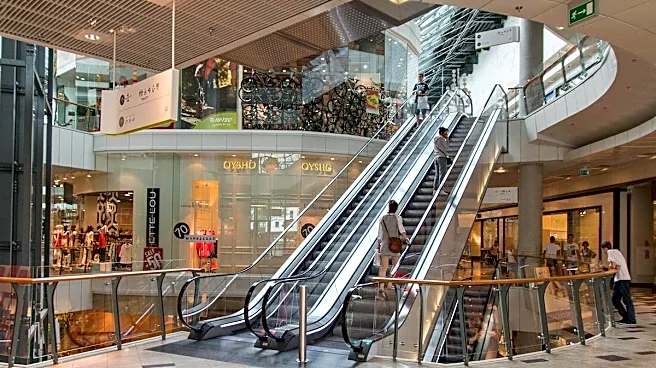
Luxury fashion brands are increasingly targeting European summer hotspots to capture the attention of high-spending tourists. Brands such as Cult Gaia, Alo, Same Swim, and La DoubleJ are opening stores in popular destinations like the South of France
and the Italian coastline. These brands aim to offer exclusive products tailored to each location, enhancing the shopping experience for tourists. The strategy involves setting up pop-up and temporary stores, allowing brands to test demand without committing to long-term leases. Some brands, like Same Swim, are confident in the potential of these markets and are establishing permanent stores. This move is part of a broader trend where accessible luxury brands, typically priced below $1,000, are gaining traction as traditional luxury prices continue to rise.
Why It's Important?
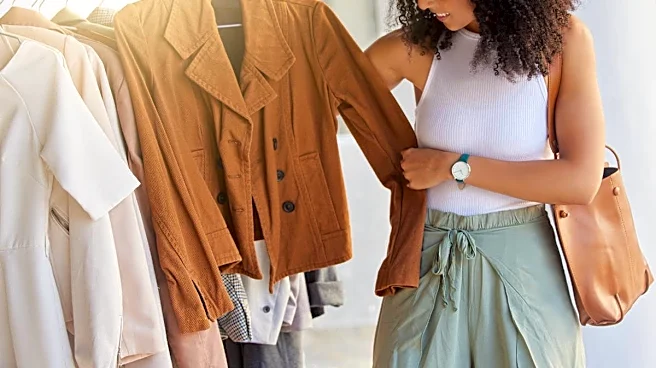
The expansion of luxury brands into European summer destinations highlights a shift in the luxury market towards more accessible pricing and experiential shopping. By setting up in tourist hotspots, these brands are tapping into the emotional and impulsive nature of vacation shopping, where consumers are more willing to spend. This strategy not only increases brand visibility but also allows brands to engage with a diverse international clientele. The move could potentially reshape the luxury retail landscape, as brands balance exclusivity with broader market appeal. For the U.S. market, this trend may influence domestic luxury brands to adopt similar strategies, potentially leading to increased competition and innovation in the sector.
What's Next?
As luxury brands continue to explore these markets, the success of their pop-up and permanent stores will likely influence future retail strategies. Brands may expand their presence in other tourist destinations or explore new markets with similar characteristics. The response from consumers will be crucial in determining the viability of these ventures. Additionally, the logistics of operating in these locations, such as securing retail space and managing supply chains, will be key challenges for brands to address. The outcome of these efforts could set a precedent for how luxury brands approach market expansion in the future.