
What's Happening?
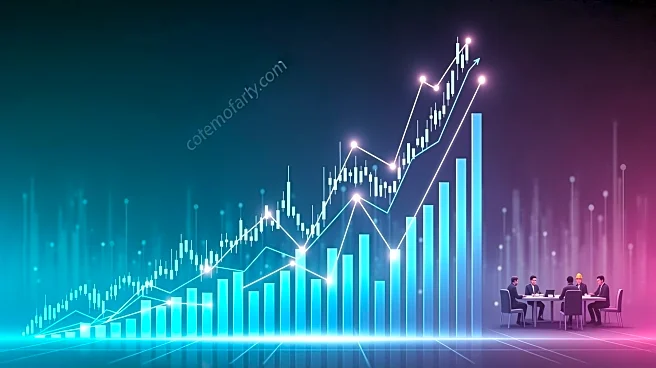
Farmers are increasingly viewing silver as a leading indicator of broader commodity inflation, despite its indirect influence on agriculture. Silver has been a top-performing commodity, rising 426% since
2020, but recently experienced a sharp decline alongside gold. This volatility has sparked discussions among farmers about its implications for agricultural markets. Moe Agostino, Chief Commodity Strategist at Farms.com, notes that while silver is not a core input for farming, its price movements can signal broader inflationary trends affecting agricultural commodities. The recent plunge in silver prices reflects a broader unwinding of speculative positions in precious metals.
Why It's Important?
The perception of silver as an inflation indicator highlights the interconnectedness of commodity markets and the broader economy. For farmers, understanding these dynamics is crucial for making informed decisions about crop pricing and risk management. The recent volatility in silver and other precious metals underscores the importance of monitoring macroeconomic trends that can impact agricultural input costs and market conditions. As inflationary pressures rise, farmers may face higher costs for inputs like fertilizers and pesticides, which could affect profitability. The situation also emphasizes the need for strategic planning and diversification to mitigate risks associated with commodity price fluctuations.
Beyond the Headlines
The discussion around silver's role in agriculture reflects broader concerns about economic stability and the impact of speculative trading on commodity markets. The recent decline in silver prices may prompt a reevaluation of its status as a safe-haven asset, influencing investment strategies across sectors. Additionally, the use of silver in advanced agricultural technologies, such as nano fertilizers and antimicrobial pesticides, highlights the potential for innovation to drive efficiency and sustainability in farming. As farmers navigate these complex dynamics, the integration of technology and market intelligence will be key to adapting to changing economic conditions.