

What's Happening?
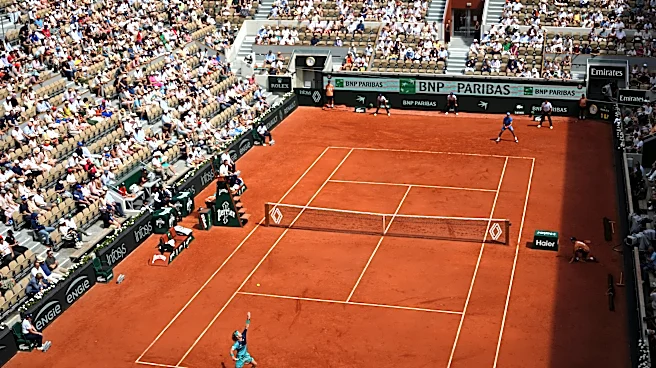
The 2026 French Open has been marked by a significant heatwave, with temperatures reaching into the 90s Fahrenheit, prompting discussions about the adequacy of the tournament's heat protocols. World No. 3 Alexander Zverev, currently advancing in the tournament,
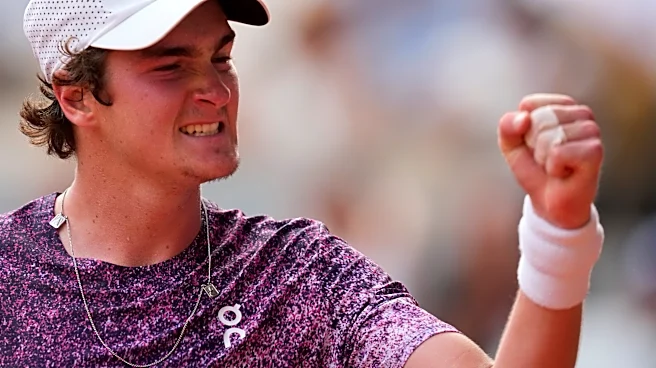
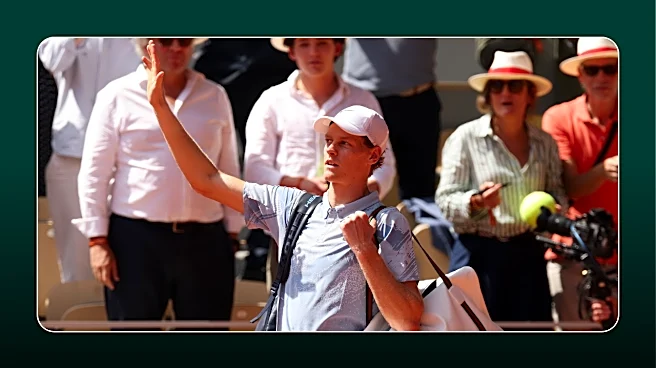
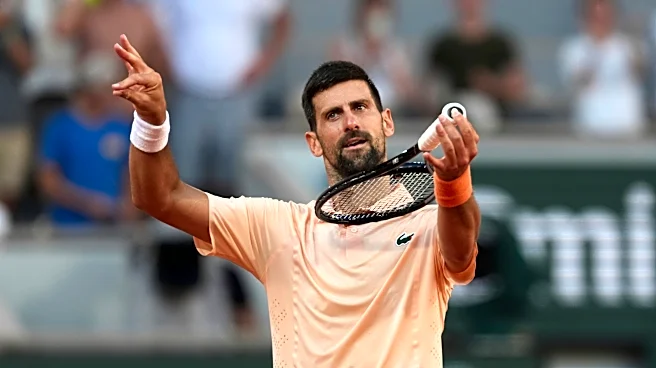
has chosen not to engage in the debate over potential changes to these protocols. Zverev expressed his personal comfort with playing in the heat, contrasting with other players who have visibly struggled. Notably, top-ranked players like Jannik Sinner and Novak Djokovic have faced physical challenges due to the heat, with Sinner losing unexpectedly and Djokovic relying on ice packs during matches. The tournament's current heat policy, which uses the Wet Bulb Globe Temperature (WBGT) to determine when cooling breaks or suspensions are necessary, has not been activated despite the high temperatures, leading to criticism and calls for policy updates.
Why It's Important?
The ongoing heatwave at the French Open highlights the broader issue of how sports events adapt to extreme weather conditions, a concern that is increasingly relevant in the context of climate change. The debate over the heat protocols at Roland-Garros underscores the need for sports organizations to reassess and potentially update their policies to ensure player safety and fair competition. The situation also affects the competitive landscape of the tournament, as players who are less affected by the heat, like Zverev, may have an advantage. This could influence the outcomes of matches and the overall tournament, impacting player rankings and career trajectories.
What's Next?
As the French Open progresses, the tournament organizers may face increased pressure to review and possibly revise their heat protocols, especially if more players experience difficulties. Stakeholders, including players, coaches, and sports governing bodies, might advocate for changes to ensure that the policies are responsive to real-time conditions rather than relying solely on algorithmic thresholds. The outcome of these discussions could set precedents for other tournaments facing similar challenges, potentially leading to broader changes in how tennis and other sports handle extreme weather conditions.