
What's Happening?
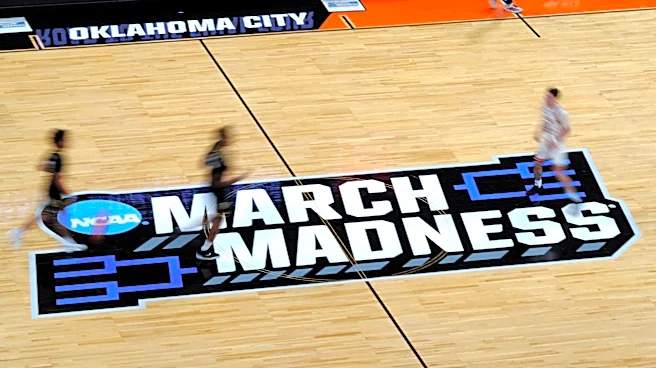
The NCAA has announced an expansion of both the men's and women's basketball tournaments from 68 to 76 teams. This marks the first expansion for the men's tournament since 2011 and for the women's since 2022.
The decision, endorsed by NCAA leaders, aims to provide more opportunities for student-athletes and enhance the excitement of March Madness. The expansion will replace the First Four with a 12-game Opening Round, featuring 24 teams playing in two different cities. The women's tournament will also see 12 Opening Round games across designated campus sites. This move follows a broader NCAA strategy to include 25% of teams in championship events, reflecting ongoing changes in college athletics.
Why It's Important?
The expansion of the NCAA tournaments is significant as it increases participation opportunities for student-athletes and potentially enhances the competitive landscape of college basketball. By allowing more teams to compete, the NCAA aims to provide a broader platform for showcasing talent and increasing fan engagement. This decision could have financial implications, potentially boosting revenue through increased viewership and sponsorships. It also reflects the NCAA's response to the evolving dynamics of college sports, including conference realignments and the expansion of other collegiate championships. Stakeholders such as universities, athletes, and fans stand to benefit from the increased exposure and opportunities.
What's Next?
With the expansion set to take effect, logistical planning will be crucial. The NCAA will need to finalize the second city for the men's Opening Round games and coordinate with campus sites for the women's tournament. Stakeholders, including conference commissioners and university athletic departments, will likely engage in discussions to optimize the new format. The NCAA will also focus on marketing and promoting the expanded tournaments to maximize their impact. As the changes unfold, feedback from participants and audiences will be essential in refining the tournament structure for future seasons.