
What's Happening?
U.S. companies are expressing significant interest in mining assets in the Democratic Republic of Congo, particularly in the Rubaya area, which is controlled by M23 rebels. This interest is part of a broader
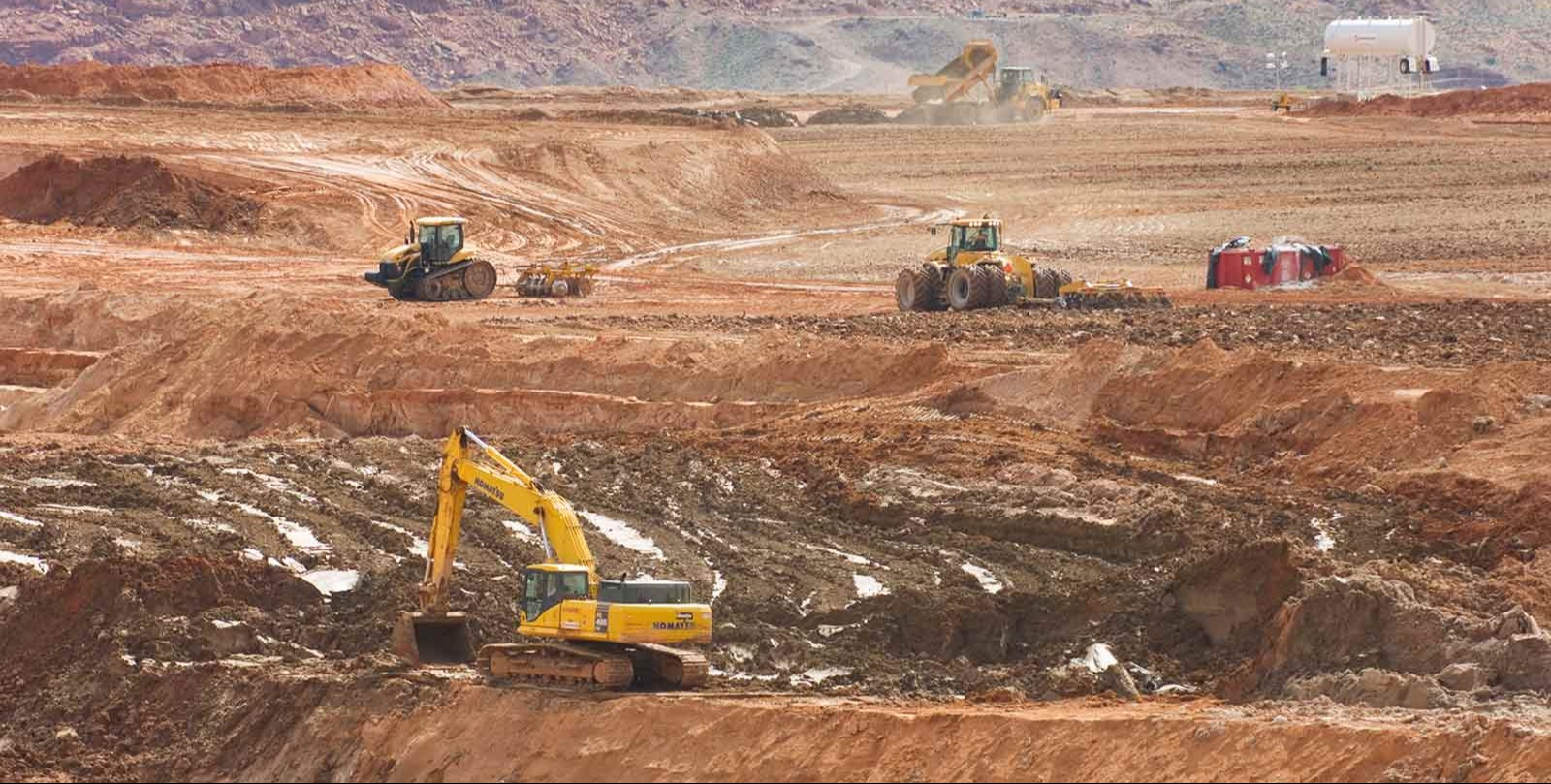
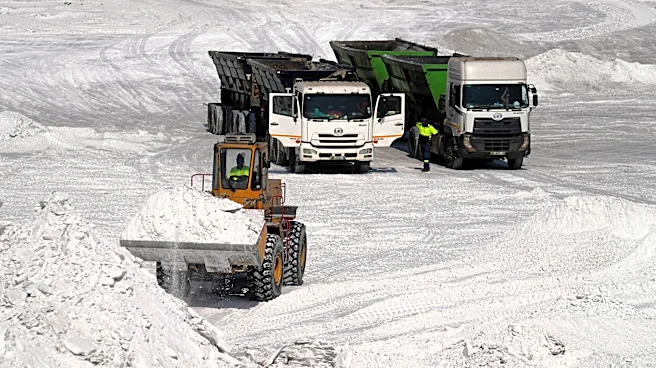
U.S. strategy to secure critical mineral supplies and reduce reliance on China. The U.S. government is actively soliciting feedback from the private sector on a list of strategic assets provided by Congo, which includes manganese, copper-cobalt, gold, and lithium projects. The Rubaya coltan mine, known for its rich tantalum deposits, is a focal point of these discussions. The U.S. aims to align these investments with peace efforts in the region, as the area has been plagued by conflict. The U.S. hopes to leverage these mineral partnerships to gain influence over Congo's critical-minerals supply chain.
Why It's Important?
The U.S. interest in Congo's mining assets is significant as it represents a strategic move to diversify its sources of critical minerals, which are essential for various industries, including technology and defense. By reducing dependency on China, the U.S. seeks to enhance its economic security and maintain a competitive edge in global markets. The potential investments in Congo could also foster economic development in the region, provided they are aligned with peace efforts. However, the involvement of U.S. companies in a conflict-prone area poses risks and challenges, including ensuring fiscal stability and regulatory certainty for investors. Successful engagement could strengthen U.S. influence in Africa and contribute to stabilizing the region.
What's Next?
The next steps involve continued dialogue between U.S. companies and the Congolese government to finalize investment plans. The U.S. will need to ensure that any investments are in line with peace agreements to avoid exacerbating existing conflicts. The outcome of these negotiations could set a precedent for future U.S. investments in conflict-affected areas. Additionally, the U.S. will likely continue to monitor the political and economic stability of Congo to safeguard its investments. The response from M23 and other local stakeholders will be crucial in determining the feasibility and success of these ventures.
Beyond the Headlines
The U.S. interest in Congo's mining sector highlights broader geopolitical dynamics, particularly the competition with China for influence in Africa. This development underscores the importance of critical minerals in global power structures and the lengths to which countries will go to secure these resources. The ethical implications of investing in conflict zones also raise questions about corporate responsibility and the role of foreign investments in peacebuilding. Long-term, these investments could reshape the economic landscape of Congo and potentially contribute to regional stability if managed responsibly.