

What's Happening?
The fashion industry continues to evolve, with trends moving from high fashion runways to retail at an unprecedented pace. This shift is highlighted by the release of 'The Devil Wears Prada 2,' which marks 20 years since the original film depicted the influence
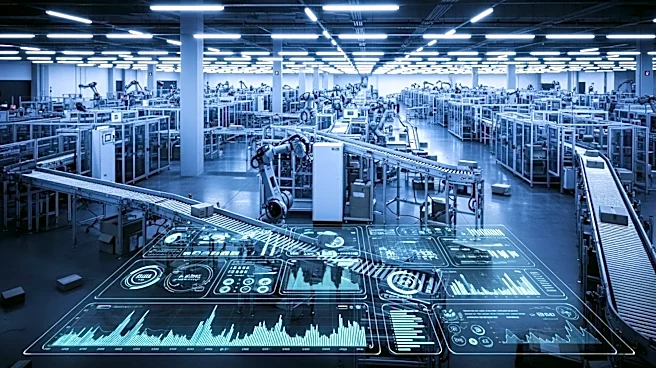
of high fashion on mainstream trends. The internet and social media have accelerated the spread of fashion trends, allowing them to reach consumers faster than ever before. High fashion brands are increasingly influenced by conglomerates prioritizing profit over creativity, while fast fashion retailers like Zara and H&M quickly replicate runway looks for mass consumption. The use of artificial intelligence in predicting consumer preferences is also shaping the industry.
Why It's Important?
The rapid dissemination of fashion trends has significant implications for both high-end and fast fashion brands. High fashion designers face pressure to innovate while maintaining profitability, often leading to a homogenization of styles. Fast fashion brands benefit from the ability to quickly produce affordable versions of high-end designs, meeting consumer demand for trendy yet budget-friendly clothing. This dynamic affects the entire fashion supply chain, from designers to retailers, and influences consumer behavior. The industry's reliance on technology and data analytics is reshaping how trends are identified and marketed, impacting the future of fashion design and retail.
Beyond the Headlines
The fashion industry's evolution raises questions about sustainability and ethical practices. The fast fashion model, characterized by rapid production and low-cost garments, often leads to environmental concerns and labor issues. As consumers become more aware of these impacts, there is a growing demand for transparency and ethical sourcing. Additionally, the use of artificial intelligence in fashion design challenges traditional notions of creativity and authenticity. The industry's future may see a balance between technological innovation and a return to more sustainable and ethical practices, driven by consumer preferences and regulatory pressures.