



What's Happening?
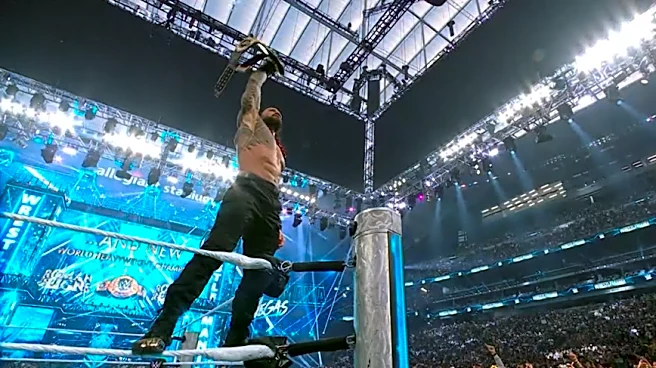
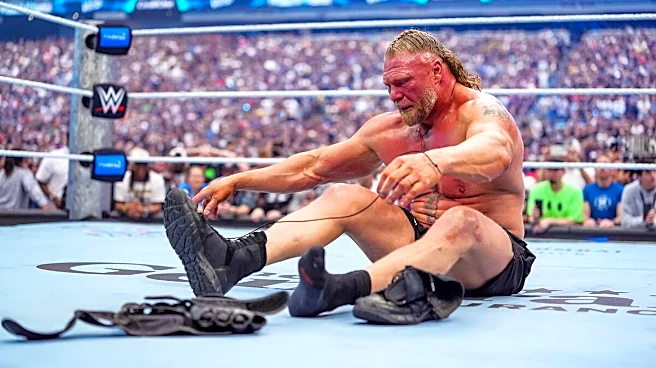
WrestleMania 42, held in Las Vegas, presented a weekend of contrasting experiences. Night One was criticized for its underwhelming matches and confusing storylines, while Night Two redeemed the event with high-quality performances. Highlights included
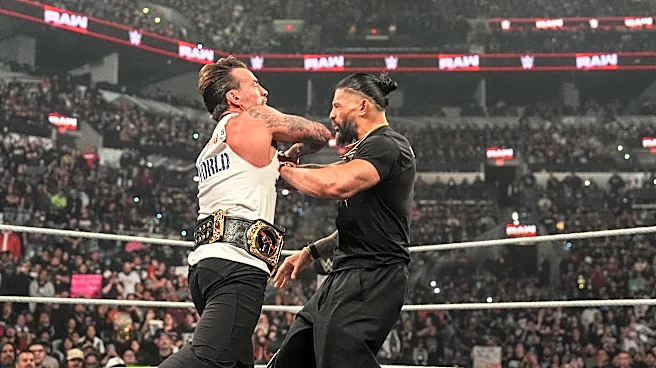
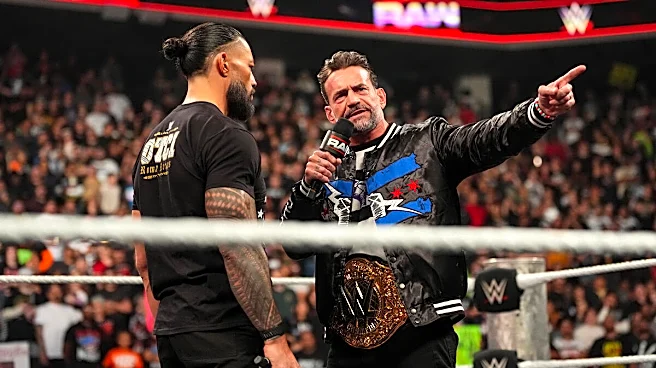
Oba Femi's victory over Brock Lesnar, marking a potential shift in WWE's landscape. Rhea Ripley triumphed over Jade Cargill, and Roman Reigns defeated CM Punk in a highly anticipated main event. The event showcased a mix of established stars and emerging talent, with notable performances from Finn Balor and Trick Williams.
Why It's Important?
WrestleMania is WWE's flagship event, setting the tone for future storylines and character arcs. The mixed reception highlights the challenges WWE faces in balancing veteran stars with new talent. Successful matches can elevate emerging wrestlers, while disappointing segments risk alienating fans. The event's outcomes will influence WWE's creative direction and business strategy, impacting viewership and merchandise sales. WrestleMania's success is crucial for WWE's brand image and financial performance.
Beyond the Headlines
The event underscores WWE's ongoing struggle with storytelling consistency. While Night Two's success demonstrates the potential of well-executed matches, Night One's issues reflect broader challenges in creative planning. The emphasis on new talent like Oba Femi and Trick Williams suggests WWE's commitment to developing future stars. However, the reliance on veteran performers indicates a cautious approach to change. WrestleMania 42's outcomes may prompt WWE to reassess its creative strategies and talent development programs.