
What's Happening?
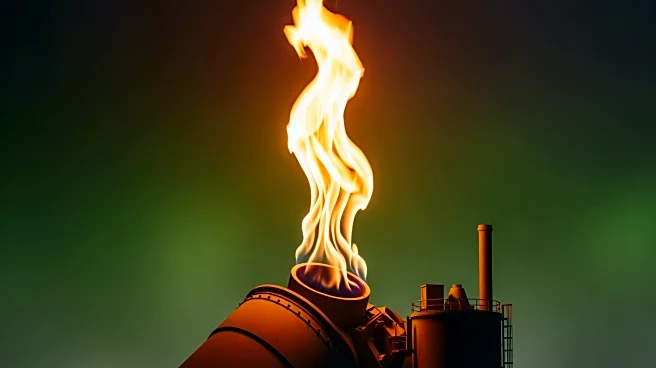
Boral Ltd has received a A$25 million grant from the New South Wales Government to support its alternative fuel project at the Berrima cement works. This initiative aims to transition the kiln's thermal
energy source from coal to alternative fuels, targeting a 60% substitution rate. The project is part of Boral's broader decarbonization pathway and is expected to deliver significant reductions in Scope 1 emissions, with approximately 1.6 million tonnes of carbon emission reductions over its service life. The alternative fuel is derived from waste material with high biomass content, which would otherwise end up in landfill. Berrima cement works is a key site for Boral and Australia's manufacturing capability, supplying up to 40% of cement in New South Wales and the Australian Capital Territory.
Why It's Important?
This project is significant as it represents a major step towards reducing emissions in the cement manufacturing industry, which is known for its high carbon footprint. By transitioning to alternative fuels, Boral is not only reducing its environmental impact but also enhancing its competitiveness in a net-zero future. The use of waste-derived fuels helps divert significant amounts of waste from landfills, contributing to waste management efforts. The funding from the NSW Government underscores the importance of supporting high-emitting industries in their decarbonization efforts, which is crucial for meeting climate targets and fostering sustainable industrial practices.
What's Next?
As Boral progresses with the alternative fuel project, it will likely focus on optimizing the use of biomass-derived fuels and monitoring emissions reductions. The success of this project could lead to further investments in similar initiatives across the cement industry, encouraging other manufacturers to adopt alternative fuels. Stakeholders, including government agencies and environmental groups, may continue to support and advocate for policies that facilitate the transition to low-carbon technologies. The project may also prompt discussions on the scalability and feasibility of alternative fuels in other high-emitting sectors.
Beyond the Headlines
The shift to alternative fuels in cement manufacturing raises questions about the long-term sustainability and economic viability of such practices. It highlights the need for ongoing research and development to improve the efficiency and cost-effectiveness of biomass-derived fuels. Additionally, the project may influence regulatory frameworks and industry standards, encouraging more stringent emissions targets and sustainability criteria. As industries adapt to these changes, they must consider the potential impacts on their supply chains, workforce, and market dynamics.
![Daily Slop: 12 Feb 26 – New Commanders OC David Blough: “How do we get Terry [McLaurin] 10 targets a game?“](https://glance-mob.glance-cdn.com/public/cardpress/binge-magazine-card-generation/spaces/US/en/sb-nation/images/ppid_2cf3d240-image-177091266842313096.webp)