


What's Happening?
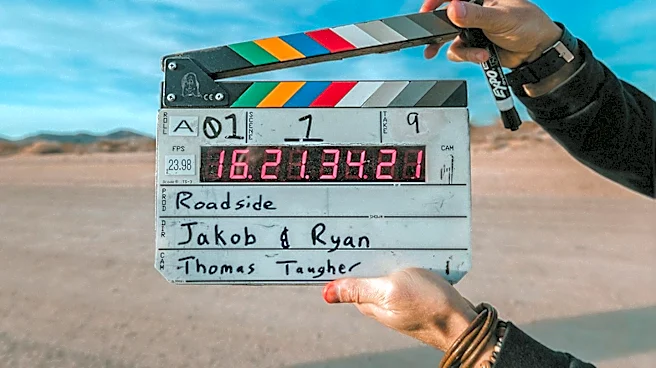
An opinion piece argues that while the written word remains a valuable form of storytelling, it is no longer the dominant medium in contemporary society. The article highlights the rise of visual media, such as movies and television, which require significant
creative and technical effort to produce. The author suggests that visual storytelling can convey complex narratives more directly than written text, challenging the traditional view that literature is the superior form of art. The piece also discusses the historical context of storytelling, noting that visual and auditory forms have always been integral to human communication.
Why It's Important?
This discussion reflects broader cultural shifts in how stories are consumed and valued. As technology advances, visual media becomes more accessible and prevalent, potentially reshaping educational and entertainment landscapes. The debate over the value of different storytelling mediums could influence how resources are allocated in arts education and media production. It also raises questions about the future of literature and its role in a society increasingly dominated by visual and digital content.
Beyond the Headlines
The shift towards visual storytelling may have implications for literacy and critical thinking skills, as audiences become more accustomed to consuming information through images rather than text. This trend could affect how future generations engage with complex ideas and narratives, potentially altering cognitive processes related to imagination and interpretation. Additionally, the democratization of visual media production tools could lead to a more diverse range of voices and stories being shared globally.