



What's Happening?
A recent study published in the scientific journal 'Foods' has highlighted the significant impact of diet on mental health, particularly during stressful periods such as wartime. The research, conducted among 303 Israeli adults, found that those adhering
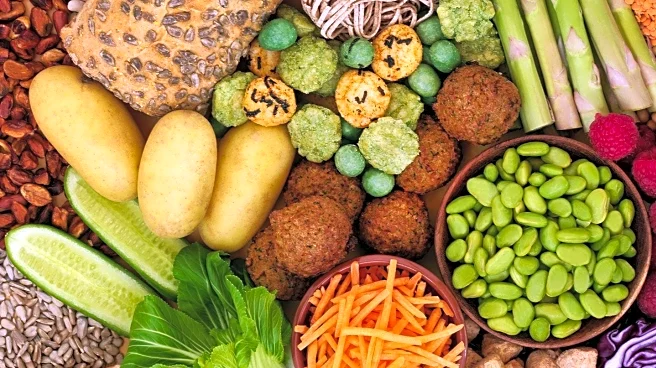
to a Mediterranean diet—rich in vegetables, legumes, fish, olive oil, and whole grains—reported fewer symptoms of anxiety and depression. Conversely, high consumption of processed foods high in sugar and saturated fats was linked to increased psychological distress and mood swings. The study underscores the gut-brain connection, where gut bacteria, hormones, and neurotransmitters communicate with the brain, affecting mood and emotional regulation. During times of stress, such as war, people often resort to convenient, processed foods, which can disrupt gut bacteria balance and exacerbate stress responses.
Why It's Important?
The findings of this study are crucial as they provide insights into how dietary choices can influence mental health, especially during emergencies. In the U.S., where mental health issues are a growing concern, understanding the role of nutrition could inform public health strategies and individual choices. The study suggests that maintaining a balanced diet could be a practical approach to mitigating anxiety and depression, offering a non-pharmaceutical method to support mental resilience. This is particularly relevant for populations experiencing high stress, such as military personnel, first responders, and communities affected by natural disasters or conflict.
What's Next?
The study's implications may lead to increased advocacy for dietary interventions as part of mental health support programs. Health organizations and policymakers might consider promoting dietary guidelines that emphasize whole foods and reduce processed food consumption. Additionally, further research could explore the specific mechanisms of the gut-brain axis and how it can be leveraged to improve mental health outcomes. Public health campaigns could also focus on educating the public about the benefits of a Mediterranean diet and how to implement it in daily life, even during challenging times.
Beyond the Headlines
The study also touches on the broader implications of the gut-brain connection, suggesting that diet is not just a matter of physical health but also mental well-being. This perspective could shift how mental health is approached, integrating nutritional advice into psychological care. Moreover, the research highlights the potential for diet to serve as a tool for emotional regulation, offering individuals a sense of control over their mental state during periods of uncertainty. This could lead to a cultural shift in how food is perceived, from mere sustenance to a critical component of mental health strategy.