






What's Happening?
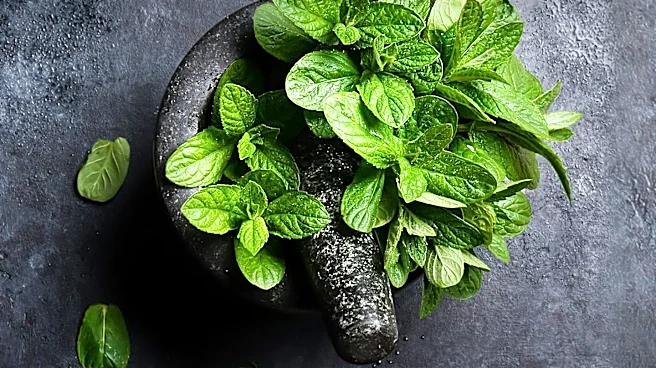
Research has identified certain leafy vegetables, such as those in the Brassicaceae family, as effective tools for extracting valuable metals from contaminated soils through a process called phytomining. These plants, known as hyperaccumulators, can absorb
and concentrate metals like thallium in their leaves, creating a harvestable bio-ore. The University of Queensland's Sustainable Minerals Institute has confirmed the potential of these plants to accumulate thallium, which is valuable for its use in medical isotopes and superconductors.
Why It's Important?
Phytomining offers a sustainable alternative to traditional mining methods, providing a dual benefit of land remediation and resource recovery. This approach could reduce the environmental impact of mining and offer economic returns from contaminated sites. The use of hyperaccumulators could also support the growing demand for critical metals needed in various industries, including technology and renewable energy. The research highlights the potential for innovative agricultural practices to contribute to sustainable resource management.
Beyond the Headlines
The use of leafy vegetables for metal extraction raises food safety concerns, as these plants can accumulate toxic metals. Ensuring that phytomining is conducted on non-agricultural land is crucial to prevent contamination of the food supply. The research also opens avenues for genetic engineering and soil amendments to enhance metal uptake and improve the economic viability of phytomining. This approach aligns with global efforts to develop sustainable mining practices and reduce reliance on conventional extraction methods.