






What's Happening?
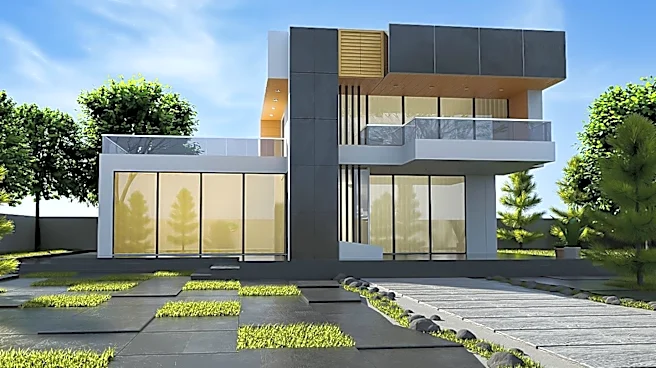
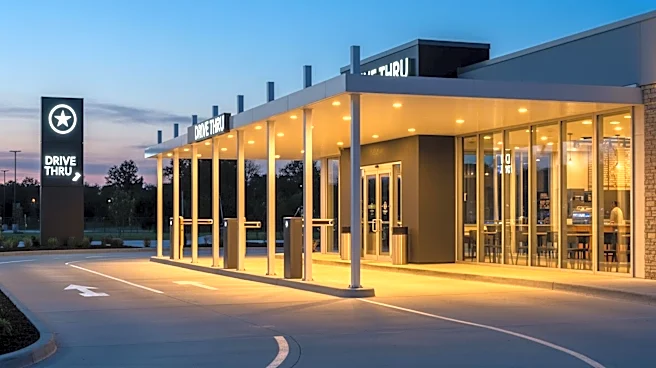
The trend in modern architecture is increasingly leaning towards cost efficiency and resale value, often at the expense of unique design and character. Many buildings, particularly commercial establishments, are adopting a minimalist aesthetic characterized
by shades of gray and black, with occasional wooden facades. This approach is driven by the need to reduce construction costs and ensure that properties remain marketable in case businesses fail. The article highlights examples such as McDonald's and Chipotle, which have adopted similar exterior designs despite being different types of restaurants. This trend is contrasted with public buildings like the Coney Island-Stillwell Avenue station, which retains a unique and charming design due to its public ownership. The article argues that while this cost-effective strategy is practical, it diminishes the architectural identity and historical narrative of buildings.
Why It's Important?
The shift towards minimalist and cost-effective architecture has significant implications for urban landscapes and cultural heritage. By prioritizing resale value and uniformity, businesses may be sacrificing the unique identities that contribute to the character and history of neighborhoods. This trend could lead to a homogenization of urban environments, where buildings lack distinctiveness and fail to reflect the local culture or history. For consumers, this may result in less engaging and memorable experiences in commercial spaces. Additionally, the focus on cost efficiency could impact the architectural profession, as designers may be constrained by budgetary limitations rather than creative expression. The broader societal impact includes a potential loss of architectural diversity and a diminished sense of place in urban areas.
What's Next?
As the trend towards minimalist architecture continues, there may be a growing movement advocating for the preservation of unique and historically significant designs. Architects and urban planners might explore ways to balance cost efficiency with creative expression, potentially leading to innovative design solutions that maintain economic viability while enhancing aesthetic appeal. Public awareness and appreciation for architectural diversity could drive demand for more distinctive buildings, encouraging developers to invest in designs that reflect local culture and history. Additionally, regulatory changes or incentives could be introduced to promote architectural uniqueness in new developments.
Beyond the Headlines
The minimalist architecture trend raises ethical considerations regarding the preservation of cultural heritage and the role of architecture in shaping community identity. As cities evolve, the challenge lies in maintaining a balance between economic practicality and the artistic value of buildings. This trend also highlights the importance of public spaces, which often retain unique designs due to less emphasis on resale value. The discussion around architecture could expand to include sustainability, as minimalist designs may offer opportunities for energy efficiency and reduced environmental impact. Long-term, this trend could influence educational curricula in architecture, emphasizing the importance of integrating economic, cultural, and environmental factors in design.