



What's Happening?
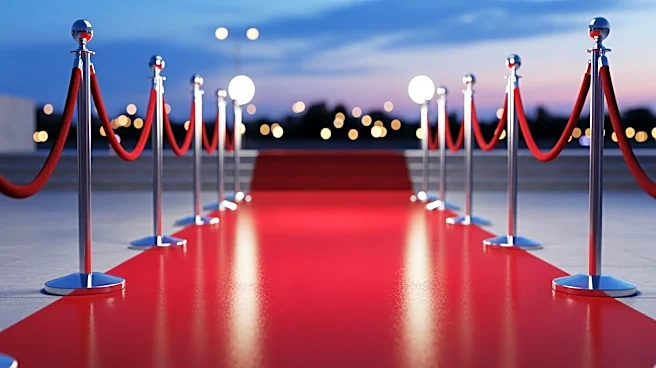
The highly anticipated sequel to the iconic film 'The Devil Wears Prada' premiered in New York, bringing together the original cast members Meryl Streep, Anne Hathaway, Emily Blunt, and Stanley Tucci. The event, held at the Lincoln Center, featured a runway-inspired
red carpet, reflecting the film's fashion-centric theme. In 'The Devil Wears Prada 2', Meryl Streep reprises her role as Miranda Priestly, the formidable editor of Runway magazine, while Anne Hathaway's character, Andy Sachs, returns as a features editor. The plot centers around the evolving dynamics between Priestly and her former assistant, now rival, Emily Charlton, played by Emily Blunt. Director David Frankel and writer Aline Brosh McKenna, who were initially hesitant about a sequel, were convinced by the potential drama in a shrinking fashion media world. The film explores themes of power and memory, with Priestly seemingly forgetting key events from the original film.
Why It's Important?
The release of 'The Devil Wears Prada 2' is significant as it revisits a cultural phenomenon that has influenced fashion and media since its original release. The film's exploration of the changing landscape of the fashion industry reflects broader societal shifts, including the impact of digital media on traditional print publications. The sequel also highlights the evolution of its characters, particularly Andy Sachs, who now embodies a more empowered and empathetic leadership style. This narrative may resonate with audiences who value progressive portrayals of women in leadership roles. Additionally, the film's premiere and subsequent release could have economic implications for the fashion and entertainment industries, potentially boosting interest in related merchandise and collaborations.
What's Next?
Following its premiere, 'The Devil Wears Prada 2' is set to hit theaters on May 1. The film's release is expected to generate significant box office interest, given the enduring popularity of the original. Industry stakeholders, including fashion brands and media outlets, may leverage the film's themes and aesthetics in marketing campaigns. The film's reception could influence future projects within the franchise, as director David Frankel has expressed openness to exploring further stories in the 'Prada' universe. Additionally, the film's portrayal of the fashion industry's challenges may spark discussions about the future of media and fashion, potentially influencing industry practices and consumer perceptions.
Beyond the Headlines
Beyond its entertainment value, 'The Devil Wears Prada 2' offers a commentary on the transient nature of memory and influence in professional settings. The film's depiction of Miranda Priestly's selective memory serves as a metaphor for the often impersonal nature of corporate hierarchies, where individual contributions can be easily forgotten. This theme may resonate with audiences who have experienced similar dynamics in their careers. Furthermore, the film's exploration of the fashion industry's contraction could prompt reflections on sustainability and ethical practices within the sector. As the industry faces increasing scrutiny over environmental and labor issues, the film's narrative may encourage viewers to consider the broader implications of their fashion choices.