






What's Happening?
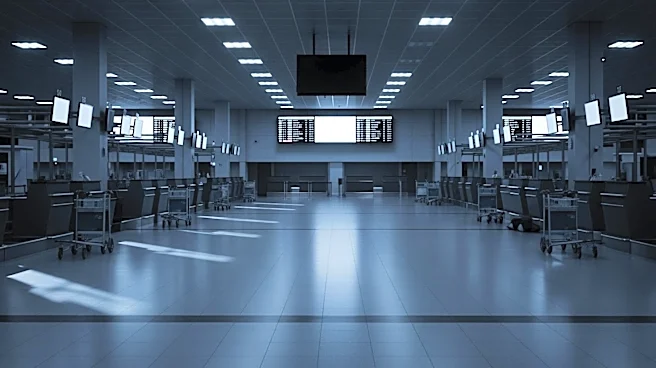
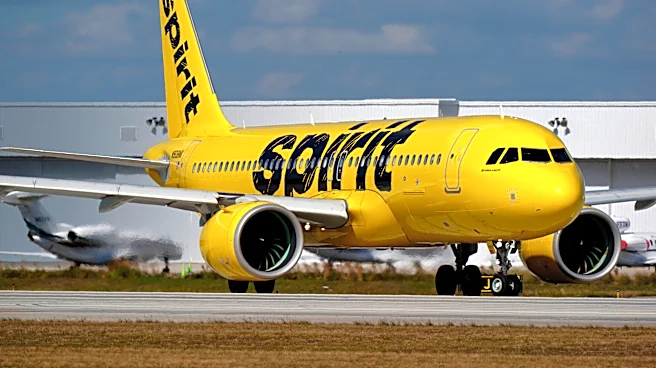
Spirit Airlines has announced its shutdown, marking the first major U.S. airline closure in 25 years. The decision has left numerous travelers stranded at airports, including Dallas/Fort Worth International Airport, where grounded aircraft were observed.
The airline's closure follows its unsuccessful attempt to secure a $500 million bailout from the Trump administration. This abrupt cessation of operations has caught many passengers off guard, with some learning of the shutdown only upon arriving at the airport.
Why It's Important?
The shutdown of Spirit Airlines is significant as it disrupts travel plans for thousands of passengers and highlights the financial vulnerabilities within the airline industry. As a major low-cost carrier, Spirit's closure could lead to reduced competition, potentially resulting in higher airfares for consumers. The inability to secure a government bailout underscores the challenges airlines face in maintaining financial stability, especially in a competitive market. This development may prompt other airlines to reassess their financial strategies and seek alternative funding sources to avoid similar fates.
What's Next?
In the wake of Spirit Airlines' shutdown, affected travelers will need to seek alternative travel arrangements, potentially leading to increased demand for other airlines. The industry may witness a reevaluation of financial strategies and government support mechanisms to prevent future closures. Additionally, regulatory bodies might review the circumstances leading to Spirit's financial difficulties to implement measures that could safeguard against similar occurrences in the future.