



What's Happening?
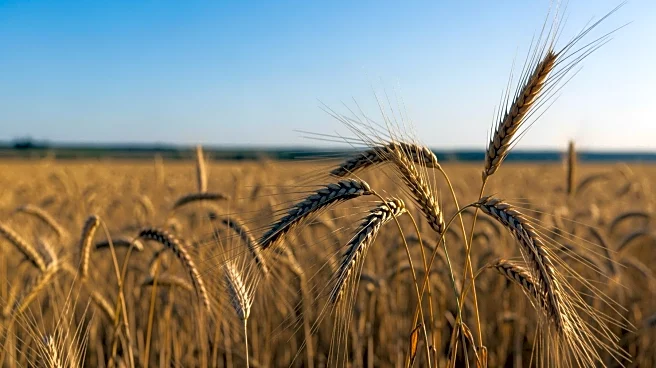
As 2026 approaches, the focus in the agricultural sector is on global growing conditions, with current grain and oilseed supplies considered adequate. This has resulted in prices remaining range-bound to weaker. The combination of good genetics, excellent farming practices, and favorable weather conditions has led to record crop production worldwide. However, the agricultural market is highly sensitive to weather changes, which can significantly impact perceptions of world supplies and prices. As a result, both end users and producers are advised to adopt a balanced approach in the coming year, preparing for potential shifts in production and pricing.
Why It's Important?
The stability of grain prices is crucial for both producers and consumers. For producers, maintaining
a balanced marketing strategy is essential to manage risks associated with potential price fluctuations due to unexpected weather changes. For consumers, particularly buyers who have benefited from low prices in recent years, it is important to remain vigilant and consider strategies such as forward contracts or options to mitigate risks. The agricultural market's reliance on weather conditions underscores the need for strategic planning and risk management to ensure financial stability and profitability in the sector.
What's Next?
Producers are encouraged to prepare for potential price rallies by considering sales of both current and future crops. Engaging with professionals to develop tailored strategies can help manage risks and capitalize on market opportunities. Buyers should continue to monitor price dips and utilize financial tools to shift risk. As the new growing season unfolds, the agricultural market will closely watch weather patterns and their impact on crop production, which could lead to significant price movements.
Beyond the Headlines
The agricultural sector's dependence on weather conditions highlights the broader implications of climate variability on food security and economic stability. As climate change continues to affect weather patterns, the industry may face increased volatility, necessitating more robust risk management strategies. Additionally, the emphasis on strategic planning and professional guidance reflects a growing trend towards data-driven decision-making in agriculture, which could lead to more resilient and sustainable farming practices.