



What's Happening?
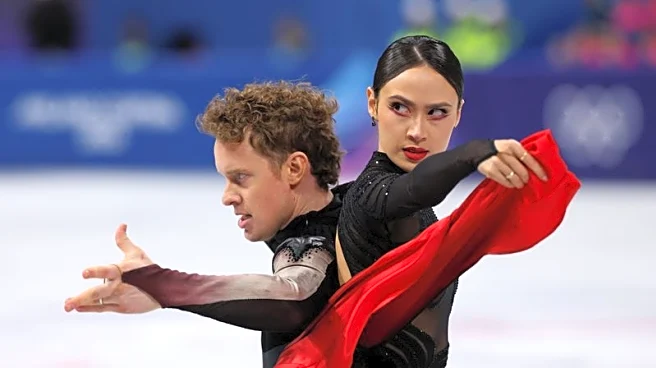
The 2026 Winter Games in Milan are showcasing not only athletic prowess but also the personal relationships among Team USA athletes. Several athletes are competing alongside their partners, forming power couples that add a unique dynamic to the games. Notable pairs include Hilary Knight and Brittany Bowe, who have shared Olympic experiences since the 2022 Beijing Games. Knight, a leading scorer in women's hockey, and Bowe, a medalist in speed skating, continue to support each other in their respective sports. Another couple, snowboarders Red Gerard and Hailey Langland, have been together for eight years, with Gerard competing while Langland recovers from an injury. Ice dancers Madison Chock and Evan Bates, who married in 2024, also highlight
the intertwining of personal and professional lives, having partnered in ice dance since 2011. These relationships are not only personal but also contribute to the athletes' performances, as they draw strength and motivation from their partners.
Why It's Important?
The presence of power couples in Team USA at the Winter Games underscores the importance of personal relationships in high-pressure environments. These partnerships can enhance performance by providing emotional support and stability, which are crucial during intense competitions. The athletes' ability to balance personal and professional lives may serve as an inspiration to others, demonstrating the potential for success in both areas. Additionally, these relationships can foster a sense of camaraderie and unity within the team, potentially leading to better overall performance. The visibility of these couples also highlights the evolving nature of sports culture, where personal narratives are increasingly intertwined with athletic achievements.
What's Next?
As the Winter Games progress, the impact of these power couples on Team USA's performance will be closely watched. Their experiences may influence future team dynamics and the approach to athlete support systems. The success of these couples could encourage more athletes to embrace personal relationships within the competitive sports environment. Additionally, the media attention on these relationships may lead to broader discussions about the role of personal life in professional sports, potentially influencing how teams and organizations support their athletes.