






What's Happening?
The U.S. dollar is on track for its second consecutive weekly decline, influenced by ongoing tensions between the U.S. and Iran, as well as broader market dynamics. Despite a ceasefire being in place since April 7, sporadic hostilities have continued,
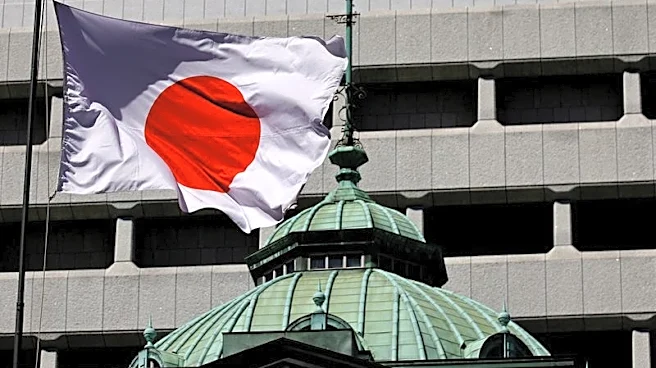
affecting investor sentiment. The dollar index, which measures the currency against a basket of peers, fell by 0.28% to 97.96, marking its lowest point since late February. This decline is partly attributed to a shift in investor positioning, which has returned to historical averages, reducing support for the dollar. Additionally, the market is anticipating the U.S. non-farm payrolls report, which could further influence dollar volatility depending on the results. Meanwhile, the Japanese yen remains stable due to intervention risks, as Japan maintains close communication with U.S. authorities to defend its currency. The euro and the British pound have seen slight gains against the dollar, reflecting a complex interplay of geopolitical and economic factors.
Why It's Important?
The dollar's decline has significant implications for global markets and the U.S. economy. A weaker dollar can affect international trade, making U.S. exports more competitive but increasing the cost of imports. This shift can influence inflation rates and impact the Federal Reserve's monetary policy decisions. The ongoing U.S.-Iran tensions, particularly in the Strait of Hormuz, also pose risks to global oil prices, which can further affect economic stability. For investors, the dollar's performance is a critical indicator of market sentiment and risk appetite, influencing investment strategies and capital flows. The stability of the yen and the euro's gains highlight the interconnectedness of global currencies and the potential for shifts in economic power dynamics.
What's Next?
Market participants are closely watching the upcoming U.S. non-farm payrolls report, which could provide further insights into the economic outlook and influence the dollar's trajectory. Any significant deviation from expected employment figures could prompt reactions from the Federal Reserve regarding interest rate adjustments. Additionally, continued monitoring of U.S.-Iran relations is crucial, as any escalation could lead to increased volatility in oil prices and further impact currency markets. Traders are also likely to test the Bank of Japan's resolve in defending the yen, which could lead to further interventions if necessary.