

What's Happening?
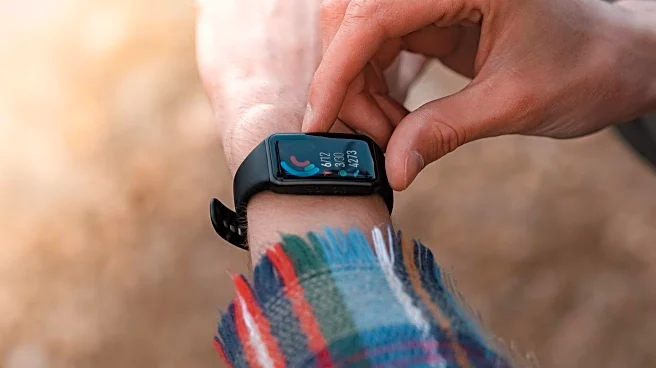
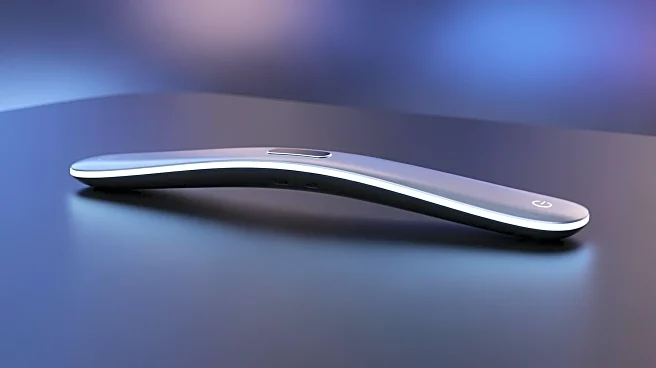
Hume Health has released updated disclosures for its Hume Band, a consumer wellness device that tracks various health metrics such as heart rate variability, blood oxygen saturation, and sleep stages. The device is marketed with proprietary metrics like 'Metabolic Momentum' and 'Metabolic Capacity,' which are designed to provide insights into physiological resilience and energy efficiency. However, these metrics are not clinical measurements and are not intended to diagnose or treat any medical conditions. The company emphasizes that while the device can offer useful data, it should not replace professional medical advice. The Hume Band is equipped with sensors and offers features like continuous monitoring and a companion app, with an optional
premium subscription for additional insights.
Why It's Important?
The growing interest in wearable health monitoring devices reflects a broader trend towards personalized health management. As consumers seek more detailed insights into their health, devices like the Hume Band offer a way to track and potentially improve wellness. However, the reliance on proprietary metrics raises questions about the accuracy and reliability of the data provided. This situation underscores the importance of understanding the limitations of consumer wellness devices and the need for regulatory scrutiny to ensure that consumers are not misled by marketing claims. The device's popularity also highlights the increasing role of technology in health management, which could influence how individuals approach their health and wellness.
What's Next?
As the market for wearable health devices continues to expand, companies like Hume Health may face increased pressure to provide transparency about their methodologies and the scientific validity of their metrics. Regulatory bodies might also take a closer look at how these devices are marketed to ensure that consumers are not misled. For consumers, the next steps involve being informed about the capabilities and limitations of such devices and consulting healthcare professionals for medical advice. The industry may also see advancements in technology that could improve the accuracy and reliability of health data collected by these devices.
Beyond the Headlines
The rise of consumer wellness devices like the Hume Band reflects a cultural shift towards self-monitoring and proactive health management. This trend raises ethical questions about data privacy and the potential for misuse of health data. As these devices become more integrated into daily life, there is a need for clear guidelines on data ownership and privacy protection. Additionally, the reliance on technology for health insights could lead to a devaluation of traditional medical advice, emphasizing the need for a balanced approach that combines technology with professional healthcare guidance.