
What's Happening?
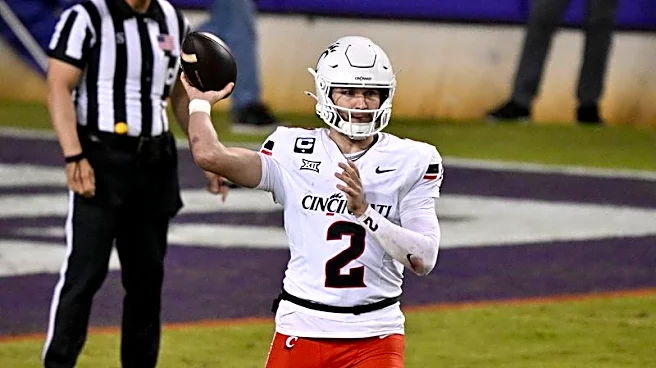
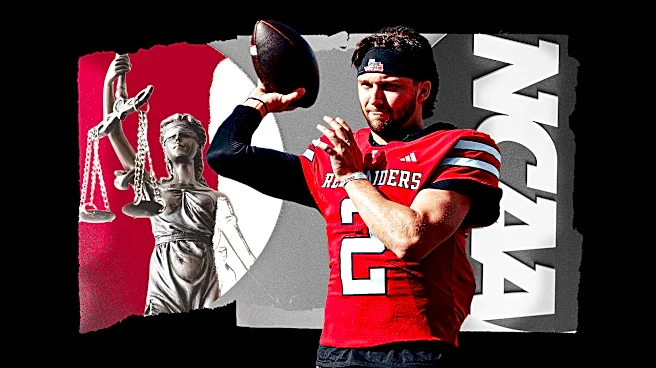
Texas Tech's athletic director, Kirby Hocutt, has expressed support for quarterback Brendan Sorsby, who is facing a permanent ineligibility ruling by the NCAA due to a gambling addiction. Sorsby, who transferred
to Texas Tech for a $5 million deal, was found to have placed $90,000 in bets, including on his former team, Indiana. A Lubbock County district court judge recently granted a temporary injunction allowing Sorsby to play in the 2026 season, a decision that the NCAA is appealing. Hocutt emphasized that the university is not involved in Sorsby's lawsuit but is committed to supporting his recovery. The case has sparked widespread debate among athletic directors and coaches nationwide, with some institutions considering not scheduling games against Texas Tech.
Why It's Important?
This situation highlights the complex intersection of sports integrity and personal rehabilitation. The NCAA's decision to appeal the court's ruling underscores the organization's commitment to maintaining the integrity of college sports. However, Texas Tech's stance reflects a growing recognition of the need to support athletes dealing with personal issues, such as addiction. The outcome of this case could set a precedent for how similar cases are handled in the future, potentially influencing NCAA policies and the broader college sports landscape. Stakeholders, including other universities and athletic conferences, are closely monitoring the situation, as it may impact scheduling and competitive dynamics.
What's Next?
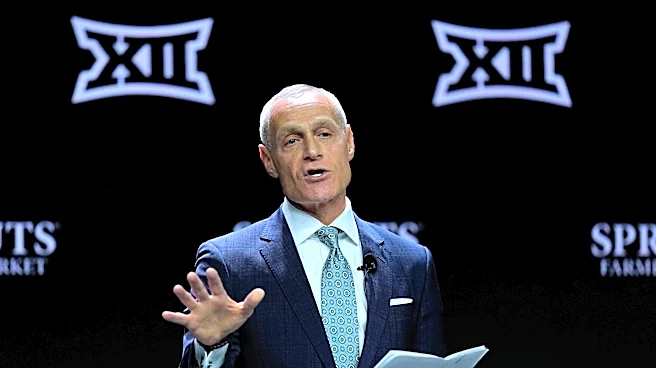
The NCAA's appeal process will be a critical next step, with potential implications for Sorsby's ability to play in the upcoming season. The Big 12 conference, to which Texas Tech belongs, is actively discussing the situation, with commissioner Brett Yormark leading conversations among athletic directors and university presidents. The outcome of these discussions could influence the conference's stance and actions regarding Sorsby's eligibility. Additionally, the legal proceedings related to Sorsby's lawsuit are set to continue, with a trial scheduled for next year. The broader college sports community will be watching closely to see how this case unfolds and what it means for the future of athlete eligibility and support systems.