
What's Happening?
Recent research underscores the importance of specific fruits and vegetables in promoting heart health. The study, involving scientists from the University of Reading, Harvard Medical School, and others,
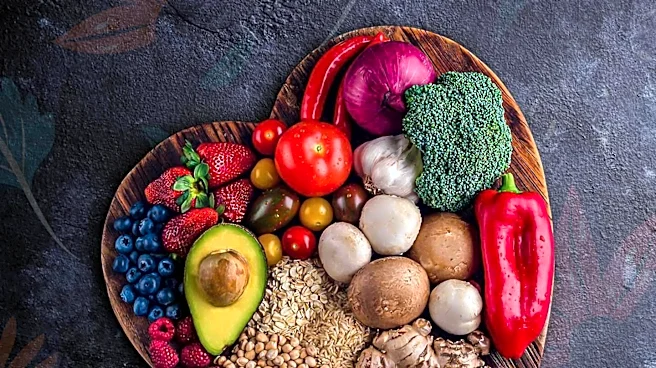
found that foods rich in flavanols, such as blueberries, plums, blackberries, broad beans, and cherries, significantly contribute to cardiovascular health. Despite the common belief that consuming a variety of fruits and vegetables is sufficient, the research indicates that the type of produce consumed is crucial. The study tracked the diets of over 30,000 participants in the UK and US, revealing that less than 20% met the flavanol intake levels associated with reduced heart disease risk. The findings suggest that current dietary guidelines may need revision to emphasize specific flavanol-rich foods.
Why It's Important?
This research is significant as it challenges existing dietary guidelines, suggesting that not all fruits and vegetables offer the same health benefits. By identifying specific foods that are particularly beneficial for heart health, the study could influence future dietary recommendations and public health policies. This could lead to more targeted nutritional advice, potentially reducing the prevalence of cardiovascular diseases. The findings also highlight a gap in public awareness about the nutritional value of different foods, suggesting a need for better education on dietary choices.
What's Next?
The study's findings may prompt a review of dietary guidelines to incorporate specific recommendations for flavanol-rich foods. Health organizations and policymakers might consider revising public health messages to emphasize the importance of these foods. Additionally, further research could explore the impact of flavanol intake on other health outcomes, potentially broadening the scope of dietary recommendations. The food industry might also respond by promoting products rich in flavanols, aligning with the growing consumer interest in health and wellness.