



What's Happening?
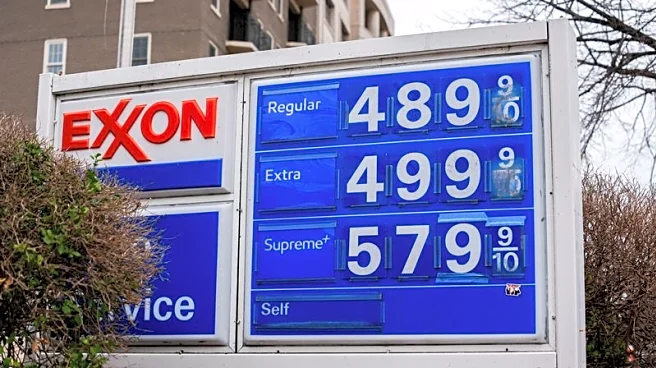
California is experiencing a significant increase in gas prices, with the average cost per gallon reaching $5.70, according to the American Automobile Association. This rise is attributed to several factors, including the closure of major oil refineries
in the state and the implementation of climate policies by Governor Gavin Newsom. These policies include higher state excise and sales taxes, as well as fees for climate programs. Additionally, California's requirement for a special fuel blend to reduce smog contributes to the higher costs. The situation is exacerbated by global oil market disruptions following US-Israeli strikes in Iran.
Why It's Important?
The surge in gas prices in California has significant implications for both consumers and the state's economy. Higher fuel costs increase the financial burden on residents and can lead to higher prices for goods and services due to increased transportation costs. The state's climate policies, while aimed at reducing environmental impact, are also contributing to the economic strain. This situation highlights the complex balance between environmental goals and economic realities, with potential repercussions for the state's oil industry and overall economic health.
Beyond the Headlines
The rising gas prices in California also bring attention to the broader debate on climate change policies and their economic impact. While the state's green initiatives aim to reduce carbon emissions and promote sustainability, they also pose challenges for industries reliant on fossil fuels. The potential for economic collapse, as warned by Chevron, raises questions about the long-term viability of such policies without adequate support for affected industries. This situation may prompt discussions on how to achieve environmental goals while ensuring economic stability.