



What's Happening?
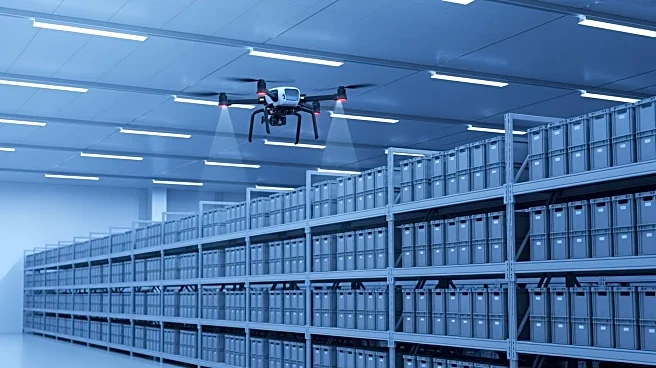
Emerging aviation technologies, including drones and autonomous systems, face significant challenges in gaining public trust. Public acceptance is crucial for the success of these technologies, which operate in shared spaces like airspace and communities.
Concerns about safety, privacy, and noise have led to public resistance, affecting the deployment of technologies such as drone delivery services and advanced air mobility platforms. Historical examples, such as the Boeing 737 MAX crisis, illustrate how public trust can be eroded by governance failures and lack of transparency.
Why It's Important?
Public trust is a critical factor in the adoption of new technologies. Without it, even the most advanced systems may fail to achieve widespread use. The aviation industry must address public concerns proactively to ensure successful integration into society. This involves not only meeting regulatory requirements but also engaging with communities and addressing issues like privacy and noise. The stakes are high, as the failure to build trust can stall technological progress and economic benefits.
What's Next?
To build public trust, companies and government agencies must prioritize transparency, community engagement, and responsible governance. This includes conducting privacy impact assessments and aligning operations with best practices. The aviation industry must also address systemic issues, such as fragmented authority and lifecycle neglect, to ensure long-term success. As technologies continue to evolve, maintaining public trust will be essential for their sustainable deployment.
Beyond the Headlines
The challenge of building public trust in aviation technologies reflects broader societal issues related to governance, transparency, and accountability. The lessons learned from past failures, such as the Boeing 737 MAX crisis, highlight the importance of addressing these issues proactively. The aviation industry must recognize that public trust is not just a communications task but a core operational requirement that can determine the success or failure of new technologies.