


What's Happening?
An SEC head coach has projected that the average cost of college football rosters will reach $45 million by the 2027 season. This prediction comes as the current average roster cost is estimated to be around $40 million for the 2026 season. The rising
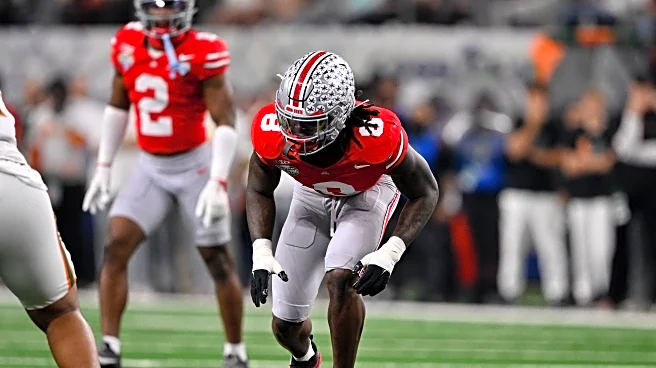
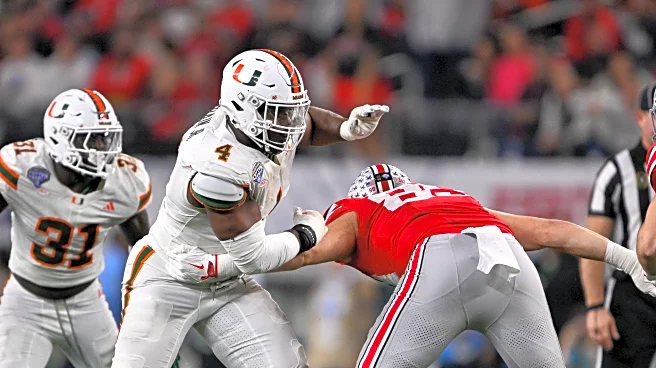
expenses are attributed to the increasing competition for top talent in college football. The coach's comments were made during an interview with The Athletic's Antonio Morales. Additionally, a Big 12 assistant coach compared the spending strategies in college football to those of Major League Baseball teams, specifically mentioning the New York Mets as an example of high spending without guaranteed success. The assistant coach emphasized the importance of investing in the right players to ensure a return on investment. According to Pete Nakos of On3.com, several programs, including LSU, Miami, Texas, and Texas Tech, are believed to be spending over $40 million on their rosters for the upcoming season.
Why It's Important?
The escalating costs of college football rosters highlight the growing financial pressures on universities to remain competitive in the sport. As schools invest heavily in recruiting top talent, the financial landscape of college athletics is shifting, potentially impacting smaller programs that may struggle to keep up with the spending of larger institutions. This trend could lead to increased disparities between programs, affecting the overall competitiveness of college football. The emphasis on financial investment also raises questions about the sustainability of such spending and its impact on the educational mission of universities. Furthermore, the comparison to MLB teams like the Mets underscores the risk of high spending without achieving desired outcomes, which could lead to financial strain if not managed effectively.
What's Next?
As the cost of maintaining competitive college football rosters continues to rise, universities may need to explore new revenue streams or cost-saving measures to support their athletic programs. This could involve increased reliance on sponsorships, media rights deals, and alumni donations. Additionally, the ongoing debate over student-athlete compensation and Name, Image, and Likeness (NIL) deals may further influence the financial dynamics of college sports. Schools will need to balance their investments in athletics with their broader educational and financial goals, potentially leading to strategic shifts in how they allocate resources across their programs.