


What's Happening?
The Federal Reserve is expected to maintain its current interest rates at the upcoming March 17-18 meeting, following a weak jobs report for February. The report revealed a loss of 92,000 jobs, driven by labor strikes in the healthcare sector and federal
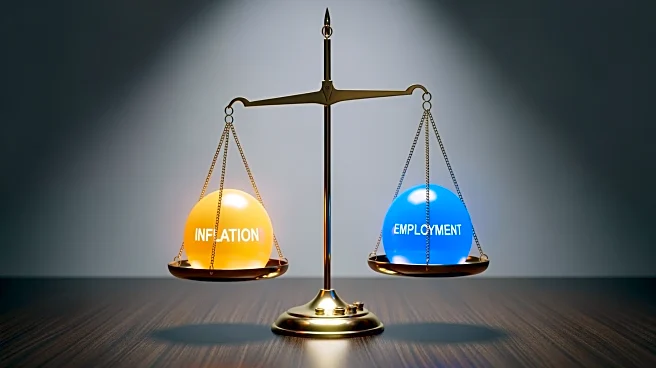
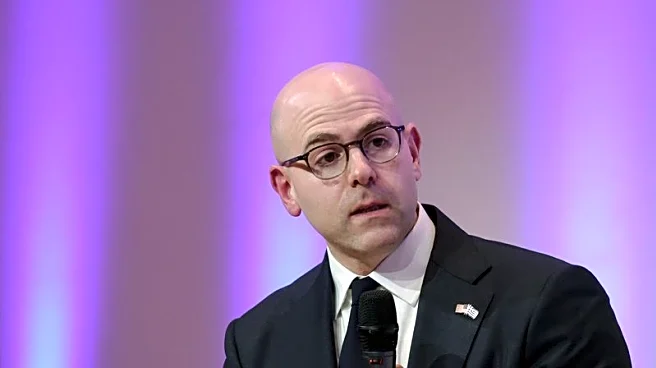
government downsizing. This development has increased investor speculation about a potential rate cut in June. The situation is further complicated by rising oil prices, which have surged to $90 a barrel, leading to higher gas prices. Fed Governor Christopher Waller noted that while the oil price increase might be temporary, persistent high prices could have broader economic implications. The Fed is now faced with balancing inflation concerns against a potentially unstable job market.
Why It's Important?
The Federal Reserve's decision-making is crucial for the U.S. economy, as it influences borrowing costs, consumer spending, and overall economic growth. The current scenario presents a challenge, as the Fed must navigate between controlling inflation and supporting a weakening labor market. Rising oil prices could lead to increased inflation, while the job market's fragility might necessitate rate cuts to stimulate employment. The outcome of the Fed's decisions will impact various stakeholders, including businesses, consumers, and investors, who are sensitive to changes in interest rates and economic stability.
What's Next?
The Federal Reserve will likely continue to monitor economic indicators closely, particularly the labor market and inflation trends. Policymakers may need to reassess their strategies if oil prices remain high or if the job market does not show signs of recovery. Future meetings will be critical in determining whether the Fed will adjust its interest rate policy to address these challenges. Stakeholders, including businesses and financial markets, will be watching closely for any signals from the Fed regarding potential rate cuts or other monetary policy adjustments.