







What's Happening?
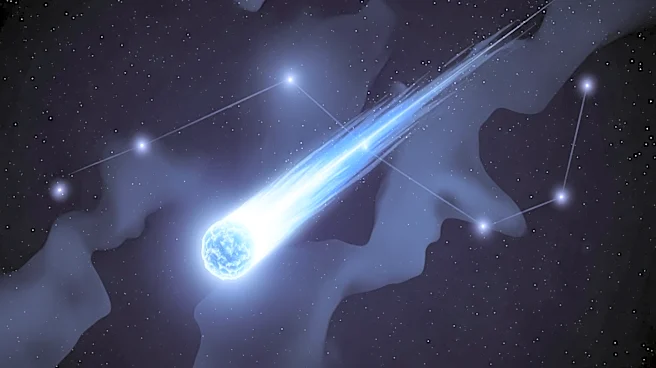
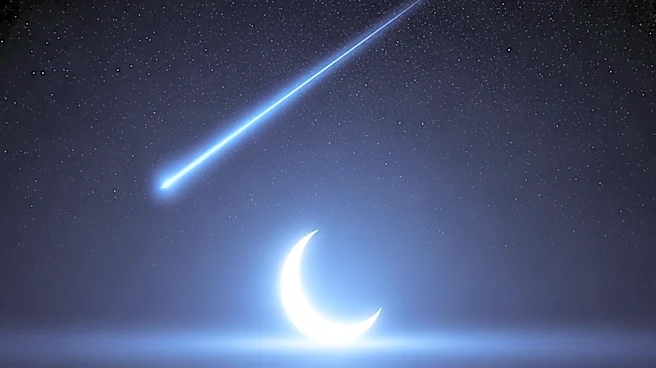
The Lyrid meteor shower is set to begin on April 15, 2026, lasting until April 29, 2026, with its peak expected around April 22-23. Known for its bright meteors and occasional surges of up to 100 meteors per hour, the Lyrids are associated with Comet
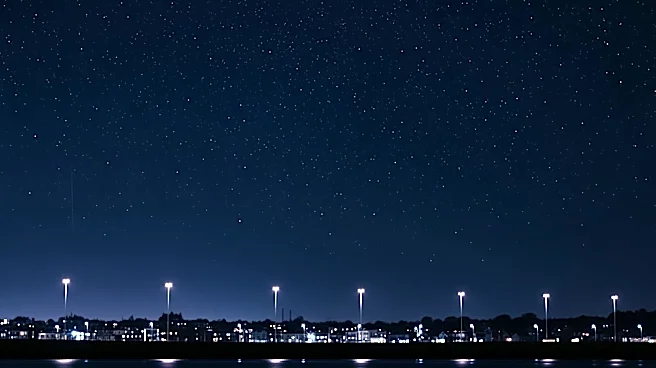
Thatcher. The best viewing conditions are in dark skies without moonlight, where observers can see 10-15 meteors per hour. The shower is notable for its luminous dust trains and colorful meteors, sometimes producing fireballs.
Why It's Important?
Meteor showers like the Lyrids offer a unique opportunity for public engagement with astronomy, sparking interest in celestial events. They provide educational moments for schools and communities, encouraging people to learn more about space and the universe. The Lyrids also contribute to scientific research, as observations can help astronomers understand cometary debris and its interactions with Earth's atmosphere. The event is a reminder of the vastness of space and the ongoing exploration of cosmic phenomena.
What's Next?
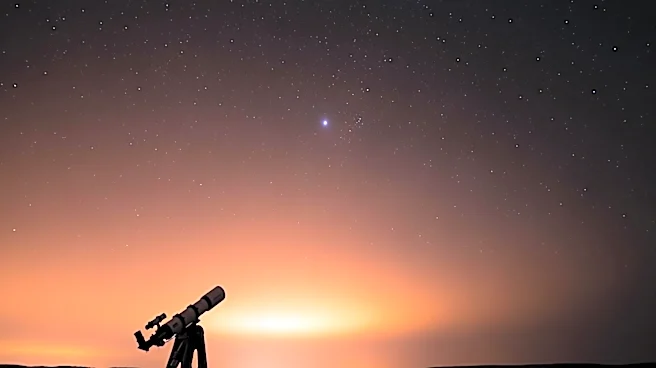
As the Lyrid meteor shower approaches, enthusiasts and astronomers will prepare for optimal viewing conditions. Public events and educational programs may be organized to maximize engagement. Following the Lyrids, the Perseid meteor shower in August will offer another opportunity for stargazing. These events continue to inspire interest in astronomy and may lead to increased participation in related activities and studies.