
What's Happening?
The WNBA free agency period has commenced, with over 100 players entering the market due to the expiration of the previous collective bargaining agreement (CBA). The new CBA introduces a $5.5 million increase
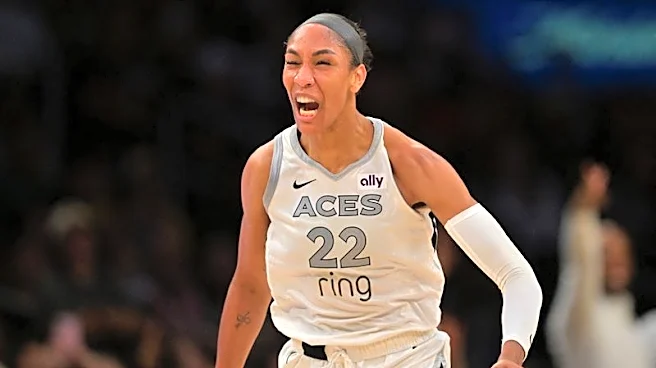
in team salary caps, significantly boosting player salaries. Notably, the No. 1 draft pick will now earn $500,000 annually, a substantial increase from previous years. Veteran players like A'ja Wilson of the Las Vegas Aces will see their salaries rise from the $200,000 range to over $1 million. The free agency period includes a designation phase for qualifying offers and core player designations, followed by negotiation and contract execution phases.
Why It's Important?
The new CBA represents a major shift in the WNBA, offering players improved financial security and recognition for their contributions to the sport. The increased salary caps and player earnings reflect the league's commitment to enhancing player welfare and competitiveness. This development is likely to attract more talent to the league, improve team dynamics, and elevate the overall quality of play. The financial boost also underscores the growing commercial viability of women's sports, potentially leading to increased sponsorships and media coverage.
What's Next?
As the free agency period unfolds, teams will strategize to retain key players and attract new talent. The negotiation phase will be critical for players and their representatives to secure favorable contracts. Teams will aim to strengthen their rosters ahead of the 2026 WNBA Draft, which follows the free agency period. The impact of the new CBA will be closely watched by stakeholders, including team owners, sponsors, and fans, as it could set a precedent for future agreements in women's sports.