





What's Happening?
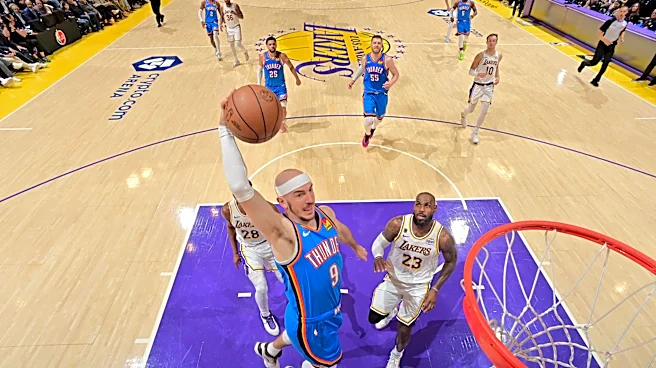
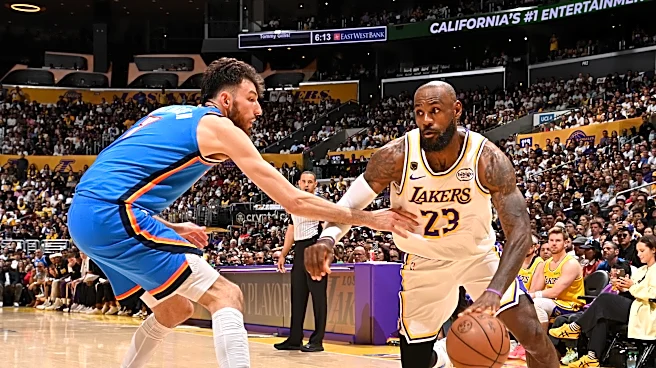
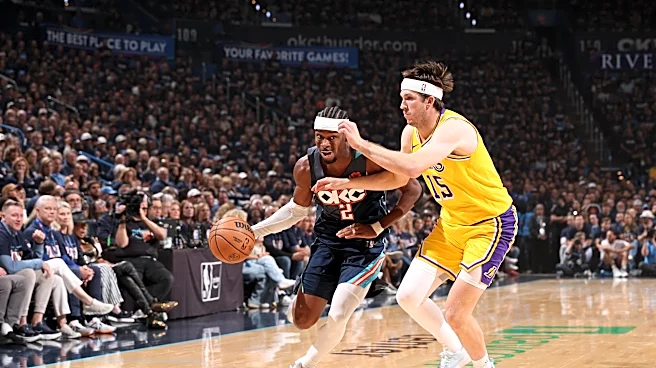
The Oklahoma City Thunder have emerged as a dominant force in the NBA, drawing comparisons to historic teams like Michael Jordan's Chicago Bulls and Stephen Curry's Golden State Warriors. The Thunder, led by reigning MVP Shai Gilgeous-Alexander, have won
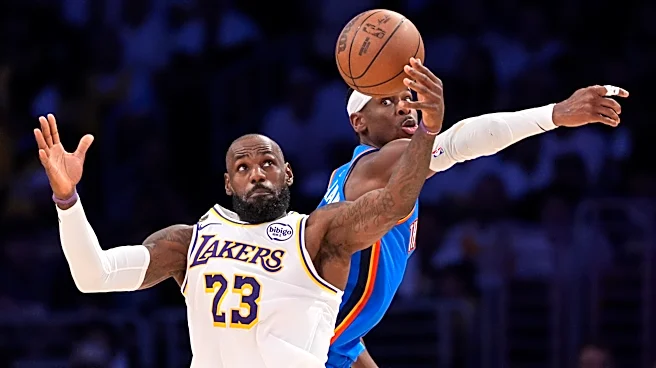
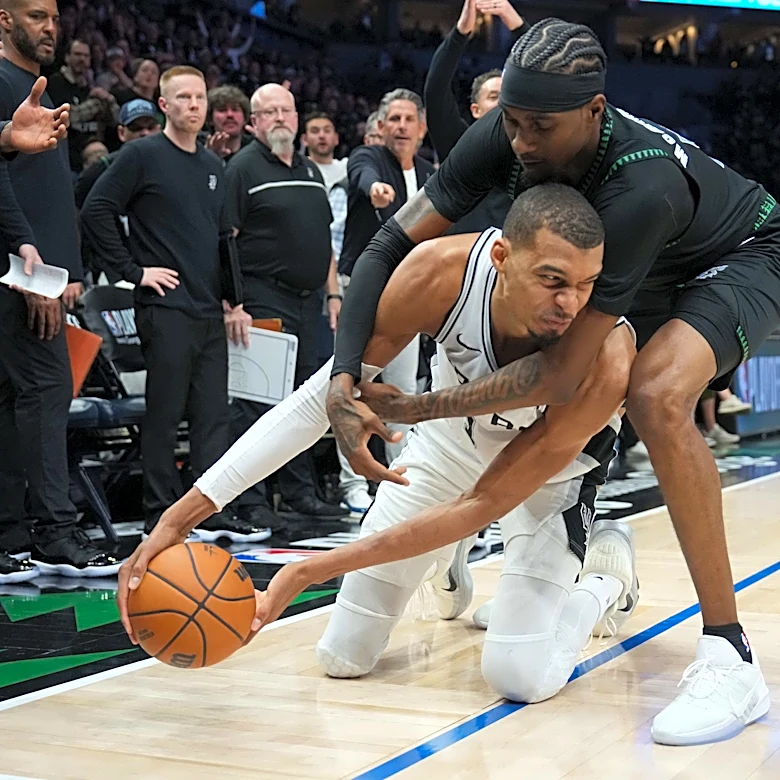
over 80% of their games in the past two seasons, a feat only achieved by a few teams in NBA history. However, their success has been accompanied by controversy, particularly regarding officiating. Competitors frequently complain about the Thunder receiving favorable calls, with accusations of 'foul baiting' directed at Gilgeous-Alexander. Despite these criticisms, the Thunder maintain their focus on performance, with Coach Mark Daigneault emphasizing the team's commitment to playing within the lines.
Why It's Important?
The Thunder's rise to prominence has significant implications for the NBA landscape. Their success challenges other teams to adapt and strategize against a team perceived to have an edge in officiating. This situation highlights the ongoing debate about the role of referees in the game and the impact of perceived biases on competitive balance. For the Thunder, the scrutiny could either galvanize their performance or become a distraction. For the league, it raises questions about how officiating standards are perceived and managed, potentially influencing future policy changes. The Thunder's ability to maintain their dominance amidst these challenges could set a precedent for how teams handle external pressures.
What's Next?
As the Thunder continue their playoff run, the focus will remain on their performance and the officiating they receive. Opponents may intensify their scrutiny of the Thunder's gameplay, potentially leading to more public debates and calls for changes in officiating practices. The NBA may face pressure to address these concerns, possibly leading to adjustments in how games are officiated or how complaints are handled. The Thunder's response to these challenges will be crucial in determining their legacy and influence on the league's future.
Beyond the Headlines
The controversy surrounding the Thunder also touches on broader themes of sportsmanship and the nature of competition. The narrative of the Thunder as 'villains' reflects a cultural tendency to root against dominant teams, a dynamic seen in various sports. This situation also underscores the psychological aspects of sports, where teams must navigate not only physical challenges but also the mental game of handling criticism and maintaining focus. The Thunder's experience could offer insights into how teams can build resilience and unity in the face of external pressures.